It’s the classic Italian dilemma in the Amalfi coast vs lake Como debate: two of the country’s most famous destinations, one perched above the sea and the other wrapped around an alpine lake, promising very different hotel stays. Both are beautiful, both are expensive in high season, and both can absolutely be worth it. The trick is knowing which one fits the trip you actually want.
This guide walks you through the practical differences that matter when choosing between them. We’ll compare the cliffside coast with the lakeside villas, look at the season windows for each, and break down what your money really buys, with high-season double rooms ranging from about €300–600 per night on the Amalfi Coast and €250–550 at Lake Como. We’ll also cover getting around by ferry and road, smart booking lead times, and which destination suits which type of traveler, so you can book the stay that fits you best.
Setting the Scene: Cliffside Coast vs Lakeside Villas
The Amalfi Coast announces itself before you even check in. Hotels cling to cliffs above the Tyrrhenian Sea, lemon terraces step down the hillside, and every turn on the road reveals another sweep of blue water. It’s a landscape built for drama: pastel villages stacked vertically, fishing boats dotting the bay, and the scent of citrus drifting over stone walls.
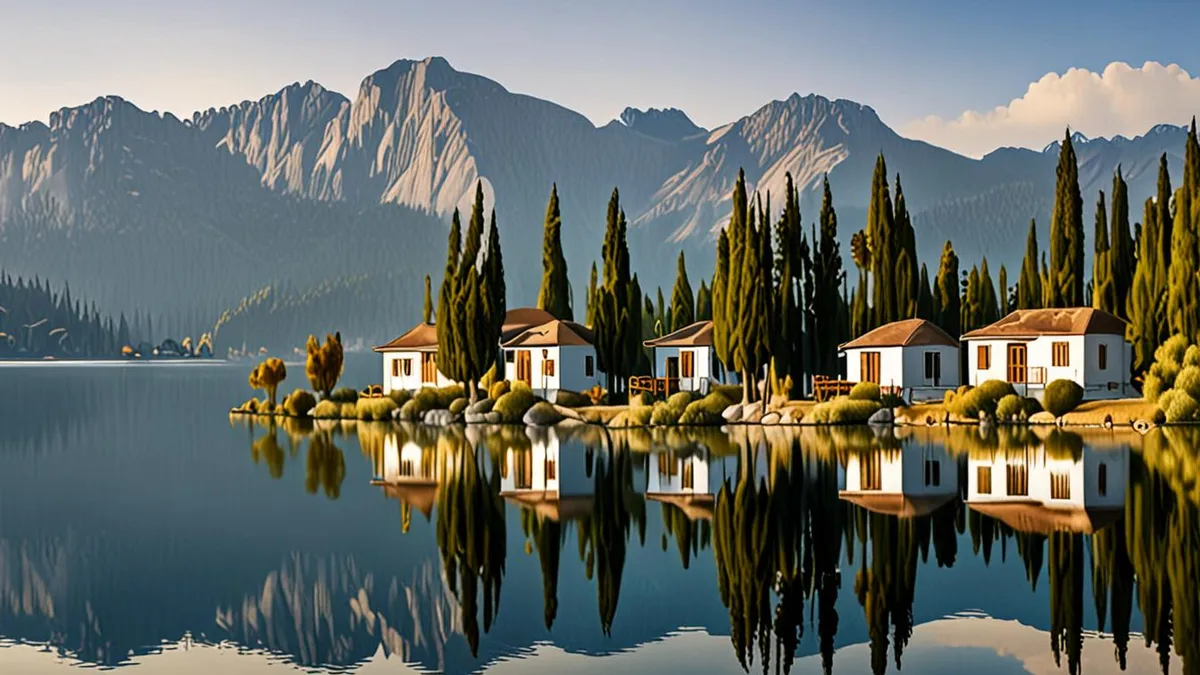
Lake Como plays a quieter tune. The water is calm and alpine-cold, ringed by mountains that change color with the light. Around the shoreline, restored villas open onto terraced gardens, cypress-lined paths and pool terraces that seem to float above the lake. The mood here is hushed rather than showy.
Two very different energies
Amalfi is social by nature. Beach clubs fill up by mid-morning, boat trips leave from the small harbors, and evenings spill out onto piazzas with music and aperitivos. Even in quieter towns, there’s a hum of activity that makes every day feel like part of the scene.
Como invites you to slow down. Mornings start with coffee overlooking still water, afternoons drift by in villa gardens, and the mountain air stays noticeably cooler than the Mediterranean coast. It’s the kind of place where romance comes easily, which is why it draws so many couples.
Neither is better, they simply suit different moods. If you want your holiday loud, salty and full of movement, the coast delivers. If you want stillness, gardens and long lunches by the water, the lake wins.
When to Go: Season Windows for Each Destination
Both destinations share a similar hotel calendar. On the Amalfi Coast, most hotels open their doors around April and close in October, so a winter visit often means finding shuttered terraces and locked lobbies. July and August bring the biggest crowds, with peak-season energy on every beach and promenade.
Lake Como follows a comparable rhythm, running roughly April to October as well. The sweet spots here are May, June and September, when the weather stays mild and the lake feels calm rather than crowded. Early autumn is especially pleasant for garden visits and slow ferry days.
Why the shoulder months work in your favor
Traveling in late April, early May or October can noticeably reduce both prices and crowds. You still get open hotels and workable weather, but you share the paths and terraces with far fewer people. Sea swimming may be cooler in October, and mountain air on the lake can feel brisk, so pack a layer.
The trade-off comes in winter, when some coastal hotels shut down entirely. If your dates fall between November and March, check with individual properties before assuming your preferred stay is possible. Lake Como has a slightly longer shoulder in some towns, but the same rule applies: confirm opening dates directly, since they vary by hotel and can shift from year to year.
Hotel Styles: What Your Money Buys in Each Place
The two destinations offer very different hotel experiences for the same money. On the Amalfi Coast, expect cliffside terrace hotels where breakfast is served on a balcony suspended over the Tyrrhenian Sea, plus converted convents and monasteries with vaulted ceilings and lemon-scented courtyards. Space is often tight; rooms are compact and stair-heavy, and the sea view is what you are really paying for.
Lake Como takes the opposite approach. Accommodation centers on restored villas, many with manicured gardens, shaded terraces and pools set against the mountains. Towns like Bellagio and Varenna have small hotels and guesthouses that you can reach easily by ferry, so you can arrive by boat and walk to your room. Interiors tend to feel more spacious and more traditional than on the coast.
On price, the coast runs higher. High-season double rooms typically range from about €300–600 per night on the Amalfi Coast, versus roughly €250–550 at Lake Como. The difference narrows in shoulder months, but a sea-view room in Positano will usually cost more than a comparable garden-view room at the lake.
- Sea-view premiums: On the Amalfi Coast, rooms facing the water can command a noticeable surcharge over garden or street-facing rooms in the same hotel, so decide early whether the view is worth the upgrade.
- Converted convent quirks: Former religious buildings on the coast often mean characterful architecture but small windows, shared staircases and limited elevator access—ask about this if stairs are an issue for you.
- Villa pool access: At Lake Como, some larger villas restrict pool or garden areas to certain room categories, so confirm which facilities come with your rate before booking.
- Ferry-side convenience: Hotels in Bellagio and Varenna within walking distance of the ferry dock save you hauling luggage up steep lakeside lanes, a real advantage when arriving by boat.
Getting Around: Ferries, Roads and Base Towns
Getting around these two destinations could not be more different, and your choice of base town will shape the whole trip. On the Amalfi Coast, almost everything funnels onto one dramatic, winding road. The stretch between Positano and Amalfi is about 17 km, but in summer traffic it can take far longer than the distance suggests. Buses are frequent but packed, taxis are pricey, and parking at cliffside hotels is often limited, so many travelers lean on the seasonal ferries that hop between the main towns once schedules ramp up.
Lake Como flips the logic. Instead of one congested road, the lake is built around water transport. Ferries connect Como, Bellagio and Varenna, and the run from Como to Bellagio is roughly 30 km by road or ferry. The mid-lake ferry network is frequent enough that many visitors skip driving entirely, treating each crossing as part of the sightseeing rather than a chore.
Pick a base you can walk
Whichever destination you choose, a walkable base town pays off. Somewhere you can reach your hotel, dinner and the ferry stop on foot means you are never hostage to a narrow coastal road or the last boat of the evening. On the Amalfi Coast that often means staying in Amalfi or Positano itself; at Lake Como, towns like Bellagio and Varenna are compact enough to explore without a car. Check current ferry timetables before you book, since services thin out outside the main season.
Booking Strategy and Lead Times
Both destinations reward early planning, but the timelines differ, and knowing which clock you are on makes the whole process less stressful. Sea-view rooms on the Amalfi Coast are the scarcest commodity in summer, while Lake Como gives you a slightly longer runway if you target the milder months of May, June or September. The difference comes down to simple supply: the coast has a limited number of cliffside properties with genuine front-row views, so the best rooms are often gone before many travelers have even settled on their dates. Here is a practical sequence to follow.
- Fix your travel window first. Decide whether you want peak summer energy on the coast or the calmer late-spring and early-autumn atmosphere at the lake, because that choice drives every booking date that follows.
- Book the Amalfi Coast 4–6 months ahead. For a summer stay, reserve that far out if you want a genuine sea-view room rather than a courtyard or parking-lot outlook. The best terrace hotels sell their top rooms first, and by the time you start browsing in spring, the balconies you saw in photos may already be spoken for.
- Book Lake Como 3–4 months ahead. For late spring and early autumn trips, this window is usually enough to secure a villa or lakefront room in the most popular towns, though famous properties still fill early for weekends.
- Choose refundable rates where possible. They let you lock in a view room early, then refine your base town later as you learn the ferry routes and decide which end of the lake or coast suits you best.
One final tip: once your room is confirmed, add restaurant reservations and any boat excursions to your planning list, since the most sought-after tables and skippers also fill up well before the season peaks. A short email to your hotel concierge a few weeks out can often secure both, saving you from settling for whatever is left on arrival.
Which Stay Suits Which Traveler
By now the personalities of the two destinations should be clear, but it helps to match them directly to the kind of traveler you are. The Amalfi Coast is built for people who want salt, sun and social energy: mornings on the beach or a boat, afternoons exploring cliffside towns, evenings with live music and busy waterfront restaurants. Lake Como is quieter by design, favoring slow mornings with coffee overlooking the water, long walks through villa gardens, and evenings in the cooler mountain air that rolls down from the Alps.
Neither is better; they simply suit different moods. If you are torn, the list below breaks down which traveler profile tends to thrive in each place.
- Groups of friends: The Amalfi Coast generally wins, with beach clubs, boat rentals and a lively evening scene that keeps everyone together after dark.
- Couples and honeymooners: Lake Como is the frequent favorite, thanks to intimate villa settings, garden strolls and a slower rhythm that suits a romantic escape.
- Beach lovers: The Amalfi Coast, obviously, since Lake Como offers swimming from lakeside lidos but no sea beaches or saltwater days.
- Travelers who hate heat: Lake Como’s mountain backdrop keeps early autumn days noticeably cooler than the exposed Mediterranean coastline.
If you still cannot decide, consider which postcard you would rather come home with: a terraced lemon grove above the sea, or a mirror-calm lake framed by mountains. That image usually tells you where to book.
The Bottom Line
So, which one fits your trip? If your ideal holiday means sea-and-sun days from April to October, the Amalfi Coast delivers, with high-season doubles at about €300–600 per night. If you would rather slow down with villa gardens, cooler mountain air and ferry hopping between towns, Lake Como suits quieter stays at about €250–550 per night in its own April to October season.
The real answer comes down to pace: energetic and social on the cliffs, calm and romantic on the water. Match the destination to your travel style, then book within the lead times above to secure the view room you want. If this helped you choose, leave a comment or share the article with your travel partner.