Glamping in Europe can mean two very different trips: a safari tent under June sunshine in Provence, or a heated glass dome in Finnish Lapland while the northern lights drift overhead. Both are unforgettable, but they suit different budgets, packing lists and travel styles. If you are unsure which season fits your plans, you are not alone — timing is the single biggest decision you will make.
This guide breaks the year down season by season. We explain why timing matters so much for tent and dome stays, what summer peak season really costs, how May and September deliver shoulder-season value, and what winter glamping in the Nordic countries involves. You will also find a region-by-region breakdown and practical advice on how and when to book, so you can match the right season to the right site.
Why Timing Matters for Glamping in Europe
Unlike a hotel room with solid walls, central heating and a reception desk, a tent or dome puts you directly in touch with the elements. A canvas lodge that feels magical on a dry June evening can feel very different after a week of autumn rain. That is why the season you choose shapes your comfort more than any other single factor — more than the site’s star rating, its pool or its restaurant.
Weather changes the whole experience
In summer, most European glamping sites run at full capacity: kitchens, pools, activity programs and shared facilities all operate. In colder months, some sites close entirely, while others switch to a winter mode and only open their heated domes or insulated cabins. Before booking, check exactly what is open during your dates, because a site that is technically operating may still have limited facilities.
Prices move with the calendar too
Rates can swing by 20-40% between peak summer and the shoulder months. The same tent that commands top price in July may cost noticeably less in late September, with quieter surroundings as a bonus. If your dates are flexible, shifting your trip by a few weeks is often the easiest way to save. The sections below walk through each season in detail so you can weigh comfort, cost and atmosphere before you commit.
Summer: The Peak Season for Glamping in Europe
June to August brings the warmest and most reliable weather across most of the continent, and it shows in the glamping calendar. Sites that close in winter run at full swing: pools open, restaurants serve long dinners on terraces, and activity programs — from kayaking to stargazing nights — run daily. Warm evenings mean you can actually enjoy the outdoor living areas that make glamping special, rather than retreating into a sleeping bag at sunset.
What peak season costs
Expect nightly rates of €150-€400 for well-located tents and domes in summer, with the top of that range typically reserved for premium units at popular destinations. The upside is choice: this is when the largest number of sites operate and the widest range of activities is on offer. Families with school-age children are often locked into these months anyway, and for good reason — it is the easiest time to plan a trip without worrying about cold nights or closed facilities.
Book early or miss out
The best tents sell out first in July and August, sometimes many months before. Book 3-6 months ahead if you have your heart set on a specific site or a particular unit — the seafront safari tent or the dome with the best view will rarely still be free a few weeks out. If your dates are fixed by school holidays, treat early booking as essential rather than optional. Travelers with flexible schedules can sometimes find last-minute openings, but counting on one in peak summer is a gamble.
Spring and Autumn: Shoulder-Season Value
May and September are the sweet spot for value-minded glampers. Temperatures stay mild, sites are noticeably quieter, and rates typically sit well below what you would pay in July or August. You lose the guaranteed heat of midsummer, but you gain empty sun loungers, easier last-minute bookings and hosts who actually have time to chat. For many travelers, this balance of comfort, cost and calm works out better than the peak season itself. Pack a light jacket for the evenings, though, since shoulder-season nights can turn cool even when the days feel like summer.
Southern Europe stretches the comfortable season even further. In Spain, Portugal and Italy, the glamping season typically runs from April to October, so an April weekend on the coast or an October week in the hills can still deliver warm days and pleasant evenings. Autumn in particular has a charm of its own, and it is worth planning a trip around it — the countryside around Gordes in Provence, for example, is at its most atmospheric outside the summer rush.
- Harvest festivals: September and October bring grape and olive harvests across the countryside, and many villages host food and wine events that you can pair with a glamping stay. Ask your host what is happening nearby — smaller village celebrations rarely make it into guidebooks.
- Autumn color: In France, Italy and Portugal, vineyards and forests turn gold and red, making hikes and scenic drives far more photogenic than in high summer.
- Better light for photography: The lower autumn sun gives softer, warmer light through the day — ideal if you want good shots of your tent without harsh midday glare.
- Easier driving and day trips: Quieter roads and shorter queues at popular sights make shoulder-season base camps more practical for exploring the region, especially if you are renting a car.
Winter Glamping: Snow Domes and Nordic Nights
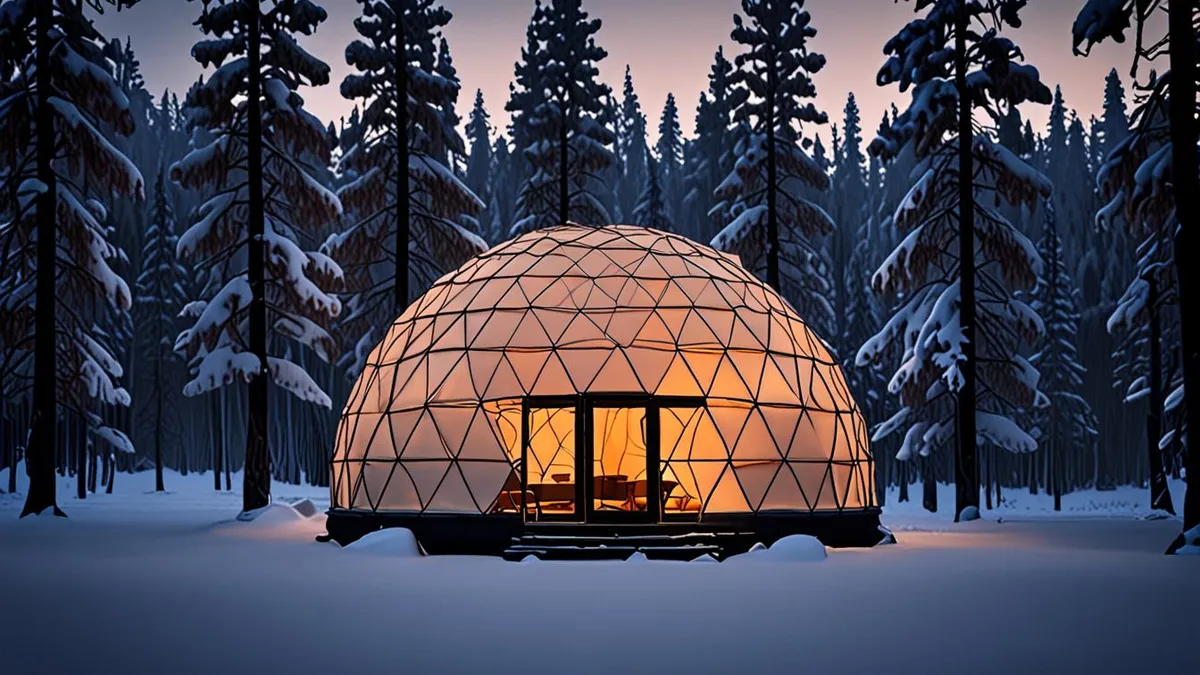
Most people assume glamping shuts down when the cold arrives, but the Nordic countries have turned winter into their strongest selling point. In Finland, Norway and Iceland, heated glass domes and insulated cabins make December-February stays genuinely comfortable, even when snow piles up outside. These units typically come with underfloor or wood-based heating, thick insulated walls and proper ventilation, so you can watch the snowfall from bed instead of shivering through it.
The big draw, of course, is the northern lights. The prime aurora window runs from late September to March, which means a winter dome booking puts you in the heart of it. Transparent roof panels let you lie back and watch the sky without stepping into minus-twenty air. If a purpose-built glass cabin appeals to you, this glass cabin stay in Finnish Lapland shows what a well-designed winter suite looks like in practice.
What to check and what to pack
Before booking, confirm the details that matter most in cold weather: how the unit is heated, whether the flooring is insulated, and what happens if the power or heating fails overnight. A site that operates year-round will usually answer these questions confidently; one that only runs a single winter dome may be more improvised than the photos suggest.
Packing for a Nordic winter dome is closer to packing for a ski trip than a camping trip. Bring thermal base layers, wool socks, a warm hat and gloves for walks to the sauna or bathroom, plus slip-on boots you can leave at the door. A headlamp with a red-light mode is handy too, since strong white light ruins your night vision when you step out to check the sky. Check current availability and seasonal opening dates with the operator before you commit, as winter operations can vary year to year.
Choosing the Right Season by Region
Europe is too varied for a single glamping calendar, so the smartest move is to match your destination to its best window. The Mediterranean coasts of Spain, Portugal, Italy and southern France stretch the comfortable season from April to October, with spring and autumn offering warm days without the peak-summer heat. Inland mountain regions, from the Pyrenees to the Carpathians, work best from June to September, when nights are warm enough for a lighter tent setup.
The Alps and Central Europe are a special case. Sites there peak in July and August, but many experienced glampers consider September the sweet spot: trails are noticeably quieter, the light is softer for photos, and the weather often stays stable well into the month. If you want a sense of what high-end alpine comfort looks like, this mountain suite hotel in St. Moritz gives a good picture of Swiss alpine style, even if glamping sites nearby run more rustic.
Quick regional guide
- Mediterranean coasts: April-October is the reliable window, and coastal breezes keep June and September evenings comfortable even when midday temperatures climb.
- Inland mountains: June-September is safest, since snow can linger at altitude into late spring and return early in autumn.
- Alpine and Central European sites: Summer is peak season, but September brings fewer hikers on the trails and a calmer atmosphere around popular lakes and valleys.
- Nordic and Baltic destinations: These split into two very different seasons: short, intense summers with near-endless daylight, and long aurora winters suited to heated domes and cabins.
Whichever region you choose, remember that mountain and coastal weather can shift quickly in any month. Pack layers and check the site’s seasonal opening dates before you book, since some operators close between their main windows.
How and When to Book Your European Glamping Trip
Glamping bookings follow different rules from hotel bookings, mainly because the best units are few in number and the season is short. A popular site might have only a handful of domes or safari tents, so timing your reservation matters more than it would for a city hotel with two hundred rooms. The good news is that the lead times are simple to remember, and a little planning goes a long way toward securing the exact tent, dome or treehouse you want.
- Reserve peak-season summer stays as early as the operator allows. July and August are the busiest months across most of Europe, and the most attractive units sell out first, often well before spring arrives. If a particular site or a particular dome is the whole point of your trip, aim for the earliest possible booking window rather than waiting.
- Give shoulder months 1-2 months’ notice. May and September see lighter demand, so most sites still have good availability a month or two out. This flexibility is part of what makes shoulder-season trips appealing: you can often choose your exact unit rather than taking what is left.
- Read the cancellation terms carefully. Weather-dependent sites frequently run stricter policies than standard hotels, especially for winter dome stays where a storm can affect access. Check what happens if you need to move your dates, and consider whether the operator offers any flexibility for severe weather.
- Compare what is actually included. Heating, bedding quality, private bathrooms and meals vary widely between sites and between seasons. A winter rate that looks high may include full heating, insulated flooring and breakfast, while a cheaper summer rate at another site covers little more than the tent itself.
Once you have shortlisted two or three sites, message the operators directly with your questions before paying. Ask about heating, bedding, bathroom facilities and exactly what the rate covers, then judge the replies on clarity and speed. A quick, specific answer is also a decent signal of how the site is run day to day. After that, book the dates that fit your chosen season, set a reminder for any balance payment deadlines, and start looking forward to it.
Wrapping Up the European Glamping Season Guide
So, when is the best time of year for glamping in Europe? If you want the classic experience — long warm evenings, swimming, outdoor dinners and the widest choice of sites — summer from June to August delivers it, though you will pay the highest prices and need to book well ahead. May and September strike the best balance for most travelers, offering milder weather, quieter sites and noticeably lower rates than the peak months.
For something different, winter domes in the Nordic countries turn the coldest months into an aurora adventure, with heated glass roofs and snowy landscapes from late September to March. The right answer really depends on what you want from the trip: sunshine, value or the northern lights. Whichever season you pick, we hope this guide helps you plan it. If you have a favorite glamping season or a stay you would recommend, leave a comment or share this article with a fellow traveler.