You want to sleep under the stars, but a quiet argument is happening in your head: should you haul out the tent and sleeping bags, or book a canvas lodge where someone else has already made the bed? That tension is exactly what the glamping vs camping debate comes down to. Both put you outdoors, yet the experiences, costs and packing lists could hardly be more different.
This guide walks you through what each style actually involves, what you can expect to pay per night, how comfort and packing differ, and where each one shines — from desert tents to national park campsites. We’ll also cover the best seasons, how far ahead to book, and which style fits your kind of trip. By the end, you should know exactly which outdoor night is right for you.
What Glamping and Camping Actually Mean
Glamping — a blend of “glamorous” and “camping” — means arriving at a structure that’s already set up for you. Think safari tents with wooden floors, cozy cabins, geodesic domes or yurts. Inside, you’ll usually find a real bed with proper linens, and in many cases a private or semi-private bathroom. Someone else has handled the setup, the weatherproofing and the morning coffee logistics before you even arrived.
Camping, in the traditional sense, is the opposite approach. You bring your own tent, sleeping bag and cooking gear, pitch everything yourself, and make the site work for you. It’s cheaper and more flexible, but the quality of your night depends largely on your own equipment and skills.
Where they overlap
Here’s the thing: both styles put you in the same outdoors. You’ll hear the same birds, smell the same pine or salt air and wake up to the same views. The difference isn’t the setting — it’s who handles the setup, the comfort level and the weatherproofing. In glamping, the operator takes responsibility for all three. In camping, that job falls on you, and it’s part of what many campers love about it.
Cost Comparison: Glamping vs Camping Nightly Rates
Money is usually the deciding factor, so let’s look at the numbers. Basic campsites typically cost $15-$60 per night, which makes camping one of the most affordable ways to spend a night outdoors. Glamping stays typically run $150-$600 per night depending on location, season and the level of luxury, so a single night in a well-appointed safari tent can cost more than a week at a simple campsite. Neither figure includes extras like park entrance fees or equipment, so check current rates before you budget.
That gap isn’t arbitrary — you’re paying for very different things. Camping shifts costs to gear you buy upfront, while glamping bundles everything into the nightly rate. Before you compare prices side by side, consider what’s actually included:
- Bedding and furniture: glamping rates cover the real bed, linens and furnishings, while campers pay once for sleeping bags, pads and a quality tent that lasts many trips.
- Bathrooms and kitchen facilities: many glamping sites include private or semi-private bathrooms, whereas campsites usually charge only for shared washroom access and a picnic table.
- Service and setup: at a glamping property, cleaning, maintenance and sometimes meals are built into the price — tasks a camper handles personally, from pitching the tent to washing dishes.
Spread over a week or more, the difference between the two styles can easily reach four figures. For some travelers that’s a small price for comfort and convenience; for others, it’s the entire food budget for the trip. The honest way to compare is to price out what a camping trip really costs — gear amortized over its lifespan, plus nightly site fees — against what the glamping rate already includes.
Comfort, Facilities and What You Pack
Packing lists look nothing alike for these two styles. Glamping units usually include a real bed, linens and a private or semi-private bathroom, so your bag holds clothes and toiletries — and not much else. Some properties throw in towels, bathrobes, lamps and even a stocked kitchenette. A well-run glamping tent, like a safari tent at a Kenyan game camp, can feel closer to a hotel room with canvas walls than to anything you’d pitch yourself. You can see an example in this review of Sarova Mara Game Camp in Kenya with its safari tents.
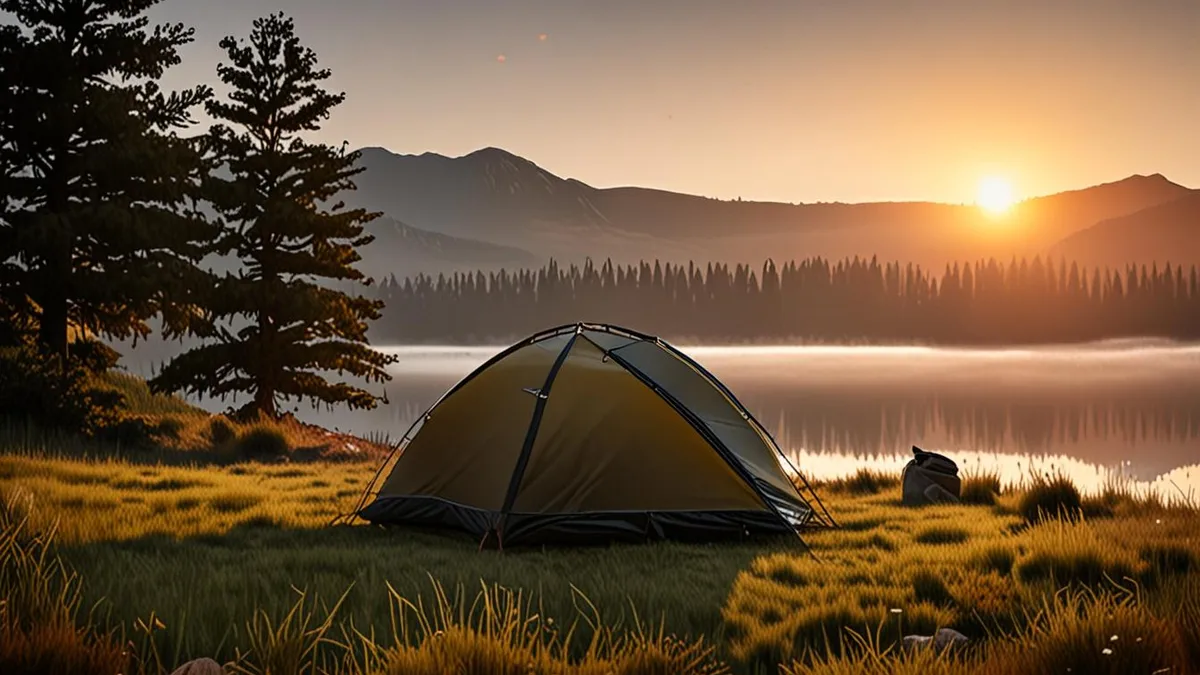
For a traditional campsite, the packing list is much longer. You’ll want a stove, fuel, pots, a cooler, headlamps, an air mattress or sleeping pad, and all the shelter basics that let you sleep outdoors on your own terms. It’s more work, but it also means you control every detail of your setup — from where the tent goes to how the kitchen is organized.
How comfort and weather differ
Camping comfort depends on your skills and equipment — a cold night or a leaky fly can ruin a trip for an unprepared beginner. Glamping comfort, on the other hand, is handled by the operator: the structure is already weatherproofed and the bed is already made. Weather tolerance differs too. A solid, professionally installed tent structure with proper flooring and guy lines typically handles storms far better than a beginner’s first pitch on uneven ground.
Where Each Style Shines: Destinations and Settings
Some places simply work better as glamping. Desert landscapes in Namibia, for example, are all about the view — wide horizons, red dunes and total silence — and that experience is usually delivered through a permanent tented structure with a proper bed and bathroom built in. You can see what that looks like in a stay like Zannier Hotels Sonop, where desert tents sit on granite boulders. Safari tents in Kenya follow the same logic: the camp is already set up inside the wildlife area, so you spend your energy on game drives rather than pitching.
Beach settings tell a similar story. Tented stays on Australia’s Ningaloo Reef put you steps from the water with the setup already handled, which is hard to replicate with a tent you carry yourself on a long flight.
Where camping wins
Camping shines when your plan is flexible. Road trips, national park loops and itineraries where you change location nightly suit traditional camping because you simply drive, pitch, sleep and move on. You are not tied to a reservation made months earlier.
There is also a practical split: remote luxury settings with dramatic views usually only exist as glamping, since someone has to build and maintain the structure. Free or very cheap sites, on the other hand, usually only exist as camping — no operator means no nightly rate beyond the campsite fee.
Best Seasons and How Far Ahead to Book
Timing matters for both styles, but in different ways, and getting it wrong can cost you either money or your first-choice spot. In most regions, peak glamping season runs from May to October, which is when rates are highest and availability tightest. If you have your heart set on a specific tent — a dome with a view, a treehouse, a safari-style canvas suite — assume the popular units need booking 3 to 6 months ahead for summer dates. Leaving it late usually means choosing between unpopular dates or whatever structure is left, and midweek stays are often easier to secure than weekends, when demand from short-break travelers peaks. If your schedule is rigid, book the moment reservations open; if your dates are flexible, watch for last-minute cancellations, which operators sometimes release when travelers change plans.
Campsites in national parks follow a different rhythm. Basic sites can typically be booked anywhere from 1 to 6 months ahead depending on demand, and a few walk-up spots may exist outside peak periods — though relying on them in summer is a gamble, since popular loops can fill by early afternoon. Always check the current booking window and reservation rules for the specific park, as they change, and note whether a site allows cancellations or same-day releases that savvy campers snag.
- Dry season for safari tents: In Kenya and Namibia, safari-style glamping tents work best during the June to October dry season, when wildlife gathers at water sources and roads are more passable — a good example being Samburu Intrepids Camp, with tents set along a riverbank.
- Shoulder season value: Late May and early October often combine decent weather with easier availability, making them smart windows for glamping trips if your dates are flexible.
- Weather-proofing your booking: For camping, check a park’s typical conditions for your travel month before committing — some high-altitude or desert sites are far less pleasant outside their best months, and cold nights can catch unprepared campers off guard.
Which One Fits Your Trip
Start with your budget and your gear. If you travel cheap, own the equipment already and genuinely enjoy the setup ritual — finding a level spot, hammering stakes, boiling water on a camp stove — camping is the obvious pick. It also gives you maximum flexibility: you can extend a stay, move on early or change your whole route without penalty, which suits road-trip style travel.
Glamping makes sense when you want the outdoor setting without the gear, or when it sits alongside high-end stops on a larger itinerary. There is no equipment to buy, store or fly with, and your night is handled by someone else. If you are combining a glamping stay with lodges or resorts, the cost gap feels smaller and the experience blends naturally.
Who usually prefers which
Couples and first-timers usually lean toward glamping — it removes the uncertainty of a first night in a tent and feels more like a treat. Experienced road-trippers and groups often prefer camping: more people spreads the gear and the cost, and veterans already know what they need to be comfortable.
If you cannot decide, a hybrid trip is a common way to test both. Mix a few nights of camping with one or two glamping splurges — camp through the driving legs, then reward yourselves with a proper bed in a dramatic spot. Many travelers end up discovering which parts of each style they actually care about, and build future trips around that.
The Bottom Line
Glamping vs camping really comes down to three things: your budget, your tolerance for gear and how much comfort you need at night. Camping costs roughly $15-$60 a night and rewards self-sufficiency — everything from shelter to meals is on you, and the low price is your payoff. Glamping runs $150-$600 a night and removes the work entirely, handing you a real bed, linens and often a private bathroom in a structure someone else has already weatherproofed.
Neither style is better in a vacuum. Match the style to your destination, your season and your booking window, and both can deliver a memorable outdoor stay. If you’ve slept in a safari tent or pitched through a storm, tell us how it went in the comments — or share this article with a friend who’s still deciding.