Glamping photos look dreamy: a king bed under canvas, a wood-fired hot tub, a view of dunes or mountains from your private deck. Then you check the rates and find everything from $100 tents to suites well over $1,000 a night. That spread makes it genuinely hard to budget, especially once fees, transfers and activities enter the picture. The real glamping cost depends on three things: the style of accommodation, the location, and when you book.
This guide breaks down what you can expect to pay per night, how location and season shift the price, and how far ahead you should reserve. We also cover the hidden costs that inflate your final bill and share practical ways to lower your glamping cost without giving up the experience you came for. By the end, you will be able to plan a trip that fits your budget with few surprises.
What Glamping Actually Costs Per Night
Glamping prices fall into three broad tiers, and knowing which one you are shopping in makes budgeting much easier. At the budget end, simple safari tents and yurts typically run $100–$200 per night. Expect shared bathrooms or basic facilities, a real bed, and often a communal fire pit or kitchen. It is camping with comfort, not a hotel experience.
Mid-range and luxury tiers
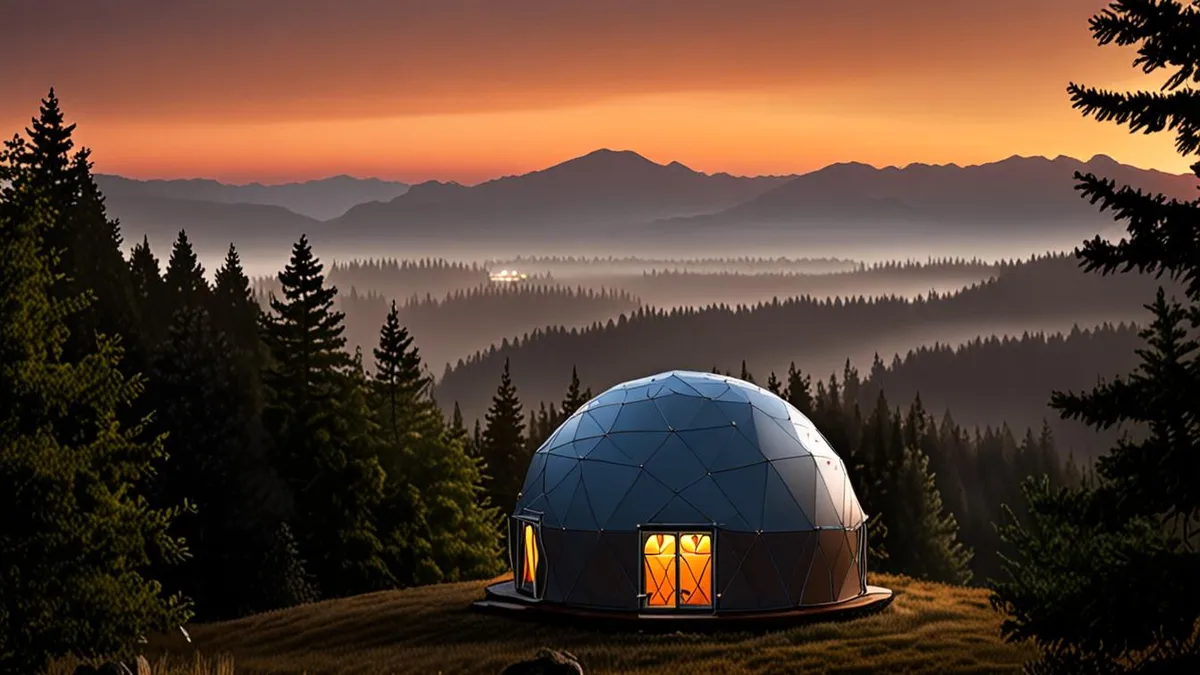
The mid-range is where most travelers land. Domes, cabins and lodge tents generally cost $250–$500 per night and usually include a private bathroom, quality bedding and a proper deck or seating area. Many properties at this level also throw in breakfast or a welcome drink, though you should check what is bundled before comparing rates.
At the top of the scale, luxury glamping suites with full service range from $600 to over $1,500 per night. These stays come with housekeeping, chef-prepared meals, and staff on hand around the clock. At remote luxury camps, rates are often all-inclusive, bundling meals, drinks and guided activities into one price. That sounds expensive, but it can be reasonable value once you add up what dinners, drinks and excursions would cost separately. Always confirm exactly what the rate covers, because the same nightly price can mean very different things at different properties.
How Location and Glamping Style Change the Price
The same tent can cost very different amounts depending on where it stands. Safari-style camps in Africa command premium prices largely because of logistics: getting food, fuel, staff and supplies to a remote site is expensive, and game drives with professional guides are usually part of the package. You are paying for the whole experience, not just the bed.
Desert and coastal tent camps in Australia and Namibia also sit at the top end. Exclusivity plays a big role here, since many of these camps have only a handful of tents, and the views over red dunes or dramatic coastline justify the premium. A good example of this style is Longitude 131, the luxury tent camp with Uluru views in Australia, where location alone drives the rate well above what a similar tent would cost elsewhere.
The mid-range and the landmark premium
In Europe and North America, domes and treehouse-style stays typically fall into the mid-range bracket. These properties are often closer to towns and roads, which keeps operating costs down, and that saving usually shows up in the nightly rate compared to remote desert or safari camps.
One factor matters more than almost any other: proximity. A camp within sight of a famous landmark or right at the gate of a popular national park can charge double the nightly rate of a nearly identical property an hour away. If your budget is tight, look at the second-tier locations just outside the famous zones, then plan a day trip to the headline attraction. You sacrifice the sunrise view from your tent, but you keep most of the experience at a fraction of the cost.
Seasonality: When Glamping Cost Peaks and Dips
Timing is one of the biggest levers on your glamping bill. At most properties, peak season rates run 30–50% higher than shoulder season, for the same tent with the same view. If your dates are flexible, shifting your trip by a few weeks can cut hundreds of dollars from the total.
Shoulder months like May–June and September–October deliver the best mix of weather and price in most regions. Days are usually still pleasant, camps are fully operational, and you share the site with fewer guests. Desert destinations are a special case: places such as Zannier Hotels Sonop, the desert tent camp in Namibia, price and availability shift sharply with the seasons, so check how the local climate calendar lines up with your travel dates before booking.
Winter adds another wrinkle for tent-based camps. Availability shrinks as temperatures drop, and some properties close entirely between November and March. Beyond seasons, a few dates reliably cost more:
- Holiday weeks, such as Christmas, New Year and school breaks, sell out first at popular camps and rarely see discounts, so expect full peak pricing if you travel then.
- Local festival dates can push rates up in otherwise quiet months, as nearby towns fill up and camps price accordingly; check the events calendar for your destination.
- Long weekends around public holidays behave like mini peak seasons, with Saturday nights often the first to go and the last to be discounted.
Booking Timing and How Far Ahead to Reserve
Glamping books out faster than most travelers expect, especially the small properties with only a handful of tents. Unlike a large hotel with hundreds of rooms, a popular mid-range dome or safari-style camp often has fewer than a dozen units. That means a single busy weekend can disappear months in advance, and waiting too long usually means settling for leftover dates or a less desirable tent position. A little planning goes a long way here, so here is a practical timeline to work from.
- Reserve 3–6 months ahead for peak season at mid-range properties. Well-reviewed domes, cabins and lodge tents fill their summer and holiday calendars quickly, and the best-located units go first. Booking within this window gives you real choice of dates, tent positions and even specific views, instead of whatever happens to be left.
- Give iconic luxury camps 6–12 months of lead time. Famous remote camps with limited tent inventory—think a small safari camp or an exclusive coastal retreat like Sal Salis Ningaloo Reef in Australia with its beach tents—often run at or near capacity for an entire season. The longer lead also matters if the camp requires flight or transfer coordination, since those seats and vehicles need arranging at the same time.
- Book shoulder-season stays 4–8 weeks out. Outside peak months, availability opens up considerably, and some properties release last-minute discounts to fill empty tents. Flexible travelers can occasionally score a well-known camp for noticeably less than the brochure rate simply by being ready to commit when a deal appears.
- Target midweek nights. Tuesday through Thursday stays are typically cheaper and far easier to secure than Friday and Saturday nights, when demand from weekend travelers peaks. Some camps extend this pricing across the whole week outside holidays, so it pays to ask rather than assume.
One more tip: set a reminder to recheck availability if your first-choice dates are full. Cancellations happen more often than you might think, particularly in the final month before a stay, when deposits have been paid and plans have shifted. A waitlist spot can quietly turn into the exact tent you wanted, but only if you are still on the list when it opens up.
Hidden Costs That Inflate Your Glamping Budget
The nightly rate is only the starting point of a glamping bill. Unlike standard hotels, many glamping properties sit in remote locations and operate with small teams, so they pass on costs that city hotels either bundle in or skip entirely. Before you fall in love with a tent on a booking site, scroll down to the fine print and total it up properly.
Fees and add-ons can easily add 15–25% to the advertised nightly rate once cleaning charges, service fees and resort-style extras are included. And because many camps sit hours from the nearest airport, logistics often cost more than the room itself. Watch for these common extras:
- Transfers. Remote camps frequently charge separately for light aircraft hops, boat transfers or 4×4 pick-ups, and prices are often quoted per person rather than per vehicle or group.
- Guided activities. Game drives, guided hikes, kayaking, spa treatments and cultural excursions usually cost extra unless your rate is genuinely all-inclusive, so tally what you actually plan to do.
- Minimum stays. High-demand properties commonly require 2–3 nights, which roughly doubles or triples the advertised per-night figure you compared when shopping.
- Meals and drinks. Room-only rates at camps with no self-catering option mean every meal comes from the camp kitchen, and wine or cocktails at a remote bar carry remote-location pricing.
The simplest safeguard is to email the property before booking and ask for a total price for your exact dates, including transfers and the activities you want. Most will send a clear breakdown, and you will avoid unpleasant surprises at checkout.
How to Lower Your Glamping Cost Without Losing the Experience
Glamping can look expensive at first glance, but the gap between a smart booking and an overpriced one is often enormous—sometimes hundreds of dollars per night for a nearly identical experience. The key is knowing where the price actually comes from: scarcity, season and service, not the tent itself. Two camps can sit on the same ridge with the same views, yet charge wildly different rates because one has a famous name, a plunge pool and a butler. A few deliberate choices will keep the experience intact while trimming the bill, and none of them require sacrificing the parts of glamping that make it special: the setting, the comfort and the sense of sleeping somewhere memorable.
- Shift your dates to shoulder season. Traveling in the quieter months between peak periods typically means lower rates, milder pricing pressure and camps that feel calmer, while the weather is often still excellent.
- Choose mid-range over flagship suites. A well-reviewed dome or lodge tent usually shares the same valley, coastline or wildlife area as the priciest suite nearby—you pay for extras and prestige, not better scenery.
- Run the all-inclusive math honestly. If you plan several guided activities a day and drink wine at dinner, a bundled rate may win; if you mostly want to sit outside with a book, a room-only rate at the same camp usually costs far less.
- Book midweek and dodge holiday weeks. Sunday–Thursday nights are typically priced lower and sell out last, letting you secure prime tents at popular properties without paying peak premiums.
Stack two or three of these tactics together—say, a midweek shoulder-season stay at a mid-range camp—and the same trip that felt out of reach often lands comfortably within budget, complete with the views everyone else paid double for. The scenery does not check your receipt, and after the first evening around the fire, most travelers stop thinking about what the tent next door cost anyway.
Budgeting for Your Glamping Trip
So, how much does glamping cost? The honest answer is that it spans a huge range: from about $100 per night for a simple tent with basic facilities to $1,500 or more for a fully serviced luxury suite. That spread is exactly why a dreamy photo can mislead you if you don’t check the rate before falling in love with a camp.
The biggest price drivers are season, location and stay style. A mid-range dome in shoulder season costs a fraction of a flagship suite at peak time, and extras like fees and transfers can add another 15–25% to the bill. Plan your peak-season reservation well in advance, budget for the add-ons, and your final total should stay close to what you expected. Have a glamping trip on the horizon? Share your plans or questions in the comments below.