You’ve found a destination you love, but now you’re stuck on the booking page comparing three very different options: a lodge, a resort and a camp. They cost similar amounts, they all promise memorable stays, and yet they deliver completely different trips. Picking the wrong one can leave you paying for amenities you never use or missing the experience you actually wanted.
This guide breaks down the lodge vs resort vs camp decision into simple, practical terms. We’ll start with the core differences at a glance, then look at when each stay type fits best, from wilderness lodges to beach resorts to safari camps. From there, you’ll learn how to match your stay type to the right season, and how to budget and book each one strategically. By the end, you’ll know exactly which option matches your travel style, your budget and the kind of memories you want to bring home.
Lodge vs Resort vs Camp: The Core Differences at a Glance
The three stay types look similar on a booking site, but they’re built around completely different priorities. A lodge is defined by its setting, a resort by its facilities, and a camp by its proximity to nature. Once you see that distinction clearly, the right choice for your trip usually becomes obvious.
Lodges are small, character-driven properties, often with just 10 to 40 rooms or cabins, tied to a specific landscape: a savanna, a lakeshore, a fjord or a glacier valley. The building itself is designed to showcase that landscape, and the guest list is small enough that staff get to know you by name. Resorts work the opposite way: they’re larger, full-service properties where pools, spas, multiple restaurants and on-site activities are the main draw, and the surrounding destination is more of a backdrop. Camps sit closest to nature. Most are tented or cabin-based, often semi-permanent, and typically run all-inclusive with guided activities like game drives or bush walks baked into the rate.
Here’s a quick way to keep the differences straight:
- Lodges: architecture and service revolve around a specific view or terrain, so two lodges in the same country can feel entirely different depending on whether they sit on a lake, a ridge or a fjord.
- Resorts: the experience is standardized and predictable, which is exactly why families and honeymooners gravitate toward them; you know roughly what you’re getting before you arrive.
- Camps: walls can be canvas, sounds at night come from outside rather than from a hallway, and daily schedules are shaped by wildlife activity rather than by activity timetables.
- The decision rule: if the landscape dominates your trip, pick a lodge; if amenities do, pick a resort; if immersion and wildlife do, pick a camp.
When a Lodge Is the Right Choice
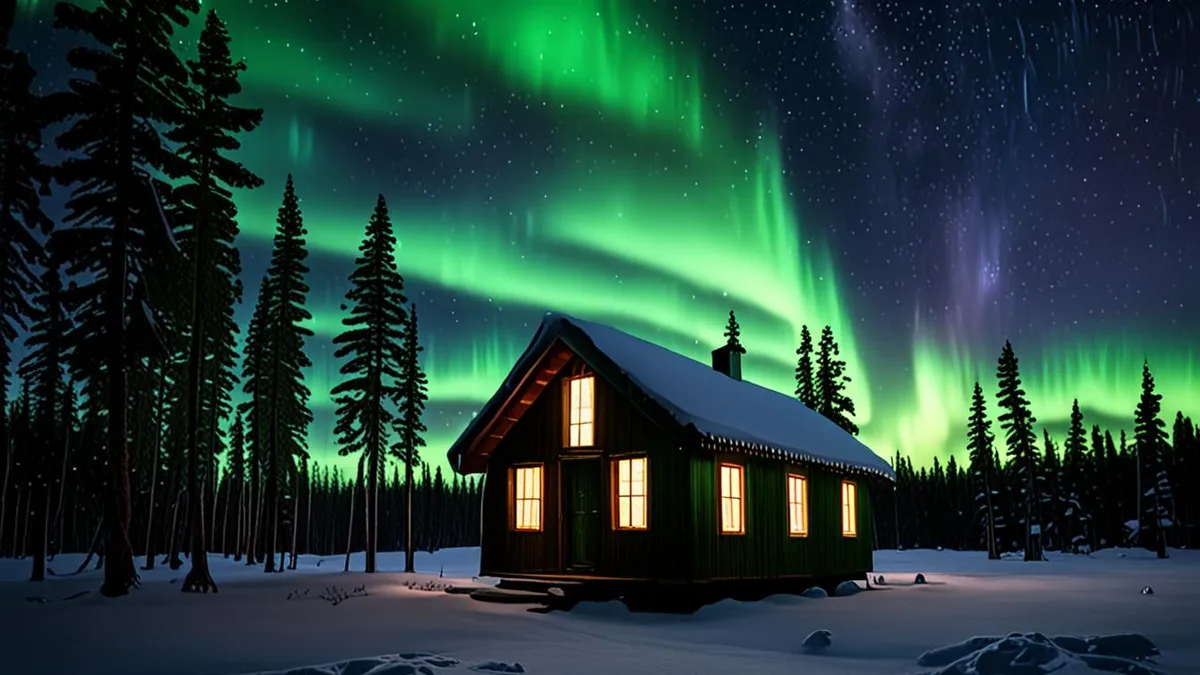
Lodges suit travelers who want a strong sense of place above everything else. Think wilderness cabins in Alaska reachable only by small plane, lake-view lodges in Finland where your window frames still water and forest, or glass lodges in Iceland built specifically for watching the sky from bed. In each case, the property exists because of where it sits, not because of what it offers indoors.
Expect personalized service and far fewer guests than at a resort. With often just 10 to 40 rooms, staff can arrange guided local experiences tailored to you, whether that’s a private hike, a fishing trip or a late-night aurora alert. The architecture is designed around the view rather than around facilities, so don’t expect a water park or five restaurants; expect a dining room, a lounge and a lot of glass.
Who lodges work best for
Couples and small groups get the most out of lodges, especially those who value atmosphere and guided local experiences over resort entertainment. If your ideal evening is a quiet dinner followed by stepping outside to watch the sky, a lodge delivers in a way a large resort simply can’t. For a concrete example of how dramatic this can be, this glass lodge in Iceland with glass cabin suites shows how the building itself becomes part of the experience.
On pricing, Arctic glass cabins and aurora lodges in Finland and Iceland usually run $250 to $700 per night for two. Alaskan wilderness lodges sit in a different tier entirely and can exceed $1,000 per night, reflecting their remoteness and the logistics of getting supplies in. Check current rates directly, as they shift with season and demand.
When a Resort Makes More Sense
Resorts fit trips where downtime matters most. If your plan is essentially a beach holiday in Zanzibar, a family trip with kids who need things to do, or a honeymoon where predictable comfort is the whole point, a resort is the stay type built for you. You’re not there to explore the landscape intensively; you’re there to relax, and the property should make that effortless.
That’s why the checklist matters when comparing resorts. If you’re traveling with children, look for multiple dining options (so picky eaters are covered), a good pool, a spa for the adults and dedicated kids’ facilities. These are the amenities that separate a genuinely family-friendly resort from one that simply tolerates children. For a sense of what the upper end of the market looks like, this Park Hyatt Zanzibar with Stone Town suites shows how resort comfort can pair with a historic location.
What you trade for the convenience
Resorts trade intimacy for convenience. There will be more guests, more amenities and, in return, less connection to the surrounding landscape. On Zanzibar, beach resorts range from about $150 to $600 per night depending on season and location, with higher rates in the June-October and December dry seasons. If your dates are flexible, shifting just outside those windows can noticeably cut your rate while keeping the weather largely acceptable. Check current prices before booking, since they move with demand.
When a Camp Delivers the Most Memorable Trip
If wildlife is the reason you’re traveling, a camp will almost always beat a lodge or resort. Tented suites on the Mara let you hear hippos at night from your bed, elevated rooms sit directly over busy waterholes, and bush camps on private conservancies put you inside the ecosystem rather than on its edge. The setting is the experience, not a backdrop for it.
Most safari camps operate on an all-inclusive basis: game drives, meals, house drinks and often laundry are bundled into a single per-person nightly rate. That means your guide, vehicle and daily schedule are all arranged for you, which takes the planning pressure off completely. In Kenya, expect rates from about $300 to $1,500 per person per night, with the higher end reflecting conservancy exclusivity and peak season demand.
Who camps suit best
Camps reward travelers who accept simpler comforts in exchange for front-row nature access. Tents can be luxurious, but you may go without air conditioning, televisions or locks on the door. What you get instead are expert guides who know where the cheetah was last seen, and candlelit dinners interrupted by elephants. Properties like Ol Pejeta Bush Camp in Kenya show how comfortable tented suites can be without losing that closeness to the bush.
Season and Timing: Matching Stay Type to the Right Months
Timing can make or break a stay, and each stay type has its own calendar. Book a glass cabin at the wrong moment and you’ll stare at rain instead of auroras; arrive at a safari camp during the long rains and game viewing becomes genuinely difficult. Match the destination’s season first, and only then start comparing properties. A beautiful camp at a bad price in the wrong month is still a bad booking, no matter how good the photos look online.
The broad pattern is simple: aurora stays in Lapland and Iceland perform best from late August to mid-April, Kenya’s safari seasons run June to October and January to March, and Zanzibar’s beach resorts shine in the dry windows of June to October and December to February. Within those windows, demand and prices swing sharply, so plan accordingly and check current availability before committing.
- December to March aurora dates sell out first: these months combine dark skies with the best cold-weather stability, so reserve your glass cabin or aurora lodge 6 to 12 months ahead.
- Avoid Kenya’s long rains of April to May: heavy downpours turn tracks to mud, many camps close for maintenance, and wildlife disperses away from water sources.
- Zanzibar’s December-February window is shorter and busier: it overlaps with holiday travel, so beachfront room categories book up faster than in the June-October stretch.
- Shoulder months cut rates 20 to 40 percent: November and late March bring lower prices at lodges and resorts, usually with weather that’s still workable rather than write-off conditions.
If your dates are flexible, use that flexibility as a bargaining tool. Ask properties directly about shoulder-season rates or shorter-stay options, and compare what’s included before judging the price. A slightly higher nightly rate that covers transfers, meals or guided activities can work out cheaper overall than a bargain room where everything is added on separately.
Budget and Booking Strategy for Each Stay Type
The way each stay type prices its rooms matters more than the headline rate. Camps charge per person and bundle everything in, while lodges and resorts charge per room. A lodge rate for two is often cheaper per person than a camp with a similar-sounding nightly price, but a family of four changes that math completely. Always calculate the total for your actual group size before comparing options.
Booking windows differ too. Kenya safari camps for the July to October migration season should be reserved 9 to 12 months out. Nordic aurora lodges and glass cabins for peak winter dates also reward early planning, sometimes far in advance. Resorts are the flexible exception: outside peak season, genuine last-minute deals tend to appear a few weeks before arrival, which suits travelers with loose schedules.
- Ask what “all-inclusive” actually covers at camps: premium drinks, private vehicles or bush walks sometimes carry extra fees that don’t show up in the per-person rate.
- Resorts reward flexibility on room categories: waiting for a last-minute deal works best if you’ll accept an entry-level room rather than a specific oceanfront suite.
- Lodge pricing often moves with daylight hours: properties built around a view, such as aurora lodges, frequently price their best-facing rooms separately from standard ones.
Finally, budget for transfers. Remote lodges and camps often require charter flights or long drives, and these can add a meaningful amount per person each way, sometimes rivaling a night’s accommodation. Ask the property to arrange the transfer when you book; it’s usually smoother and not much more expensive than arranging it independently. Get the full transfer cost in writing before you confirm, so the total trip price doesn’t surprise you later.
Wrapping Up: Picking Your Stay Type with Confidence
So, which one is it? If your trip is really about the landscape, a lodge gives you the strongest sense of place. If comfort and facilities matter most, a resort delivers. And if wildlife is the reason you’re going, a camp will put you closer to it than anything else.
Work through it in order: match the stay type to your season first, then check it against your budget, then decide how much service and immersion you actually want. Once you know whether your trip is about the view, the amenities or the animals, the choice usually makes itself. If you’re still torn, tell us about your trip in the comments or share this article with a travel partner to compare notes.