Booking your first wilderness lodge stay sounds simple until the extra charges start appearing: a drink at dinner, a second guided excursion, a transfer you assumed was covered. Many first-timers arrive with resort expectations and discover that a remote lodge works very differently, which is exactly why surprise costs and mismatched expectations are so common.
This guide walks you through what a wilderness lodge stay actually includes, from the basics of all-inclusive rates to cabin types, meals, guided activities, pricing, packing and the logistics of getting there. By the end, you will know what questions to ask before booking and what to expect once you arrive, so the only surprises on your trip are the good kind.
What a Wilderness Lodge Stay Includes: The Basics
The core promise of most wilderness lodges is simplicity: one rate covers your accommodation, three daily meals and at least one guided activity. That bundled structure is what separates a wilderness lodge from a regular hotel, where every meal and every tour is billed separately. Before you book, ask the lodge exactly what its rate covers, because the details vary more than most first-timers expect.
What is usually included in the rate
Transfers from the nearest airstrip or dock are usually part of the package, so once you land in the region, the lodge handles the rest. What is almost never included is the flight to reach the region itself. If your lodge sits a floatplane ride away from a regional hub, budget for that flight separately and confirm the schedule when you book.
What the property itself looks like
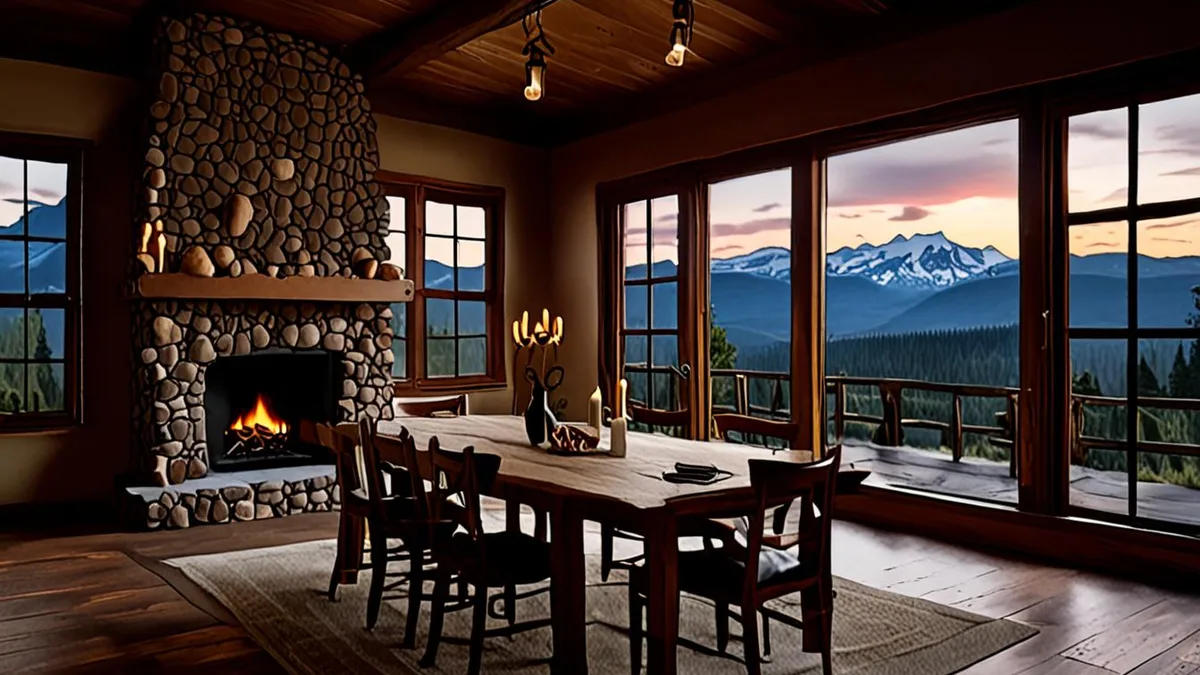
Forget the mental image of a resort with pools, gyms and room service. Wilderness lodges are built around shared spaces: a main lodge where guests gather, a dining hall where meals are served at set times, and a lounge with a fireplace, books and maps. That shared setup is deliberate. It encourages conversation with fellow travelers and guides, and for many guests it becomes one of the most memorable parts of the stay rather than a compromise.
Room Types and What Your Cabin Comes With
Most wilderness lodges keep accommodation simple and comfortable rather than flashy. A standard wilderness cabin usually sleeps two to four guests and comes with a private bathroom plus a wood stove or heater, which matters more than any design detail when temperatures drop. Expect sturdy furniture, good beds and windows that frame the landscape instead of televisions and minibars.
Standard cabins versus premium options
If you want more space or a better view, premium categories such as lake-view rooms or glass-roof suites typically cost 30-80% more than a standard cabin. Whether that upgrade is worth it depends on your trip: a glass roof makes sense if aurora watching is your main goal, while a lake-view suite pays off if you will spend evenings at the cabin. To see how one well-known property structures its cabin options, this guide to Tutka Bay Lodge and its wilderness cabins in Alaska is a useful example.
Power, Wi-Fi and hot water
Remote lodges often run on generator power, which changes daily rhythms in ways first-timers rarely anticipate. Wi-Fi is typically limited, sometimes available only in the main lodge, and many lodges set specific hours for electricity or hot water. Treat this as part of the experience rather than a flaw, but ask about the details before booking so you can plan device use, photo backups and morning showers accordingly.
Meals, Drinks and Dining at Remote Lodges
Food is one of the biggest pleasant surprises at a wilderness lodge. Full-board rates typically cover breakfast, a packed lunch for the day’s excursion and a family-style dinner served at set times in the dining hall. Because everyone eats together at a long communal table, meals double as the social heart of the lodge, where guides share the day’s sightings, guests compare notes on trails and wildlife, and plans for tomorrow’s excursions take shape over dessert.
The remote location shapes how the kitchen operates. Supplies are ordered well in advance and flown or boated in before guests arrive, so menus are planned weeks ahead and fresh produce can be limited toward the end of a supply cycle. That is why dietary needs must be declared at booking, often 30 or more days ahead. Vegetarian, vegan and gluten-free requests are usually manageable, but only if the kitchen knows in time. With no grocery store nearby, last-minute substitutions are rarely possible.
- Confirm children’s portions and meal times: some lodges serve dinner early for families, while others have a single adult-oriented seating, so check if you are traveling with kids.
- Ask about snacks between meals: days are active, and a few lodges keep a coffee and snack station in the lounge while others expect you to wait for the next meal.
- Check the alcohol policy before booking: alcohol is included at some lodges but charged separately at others, a difference that adds up over a week-long stay.
- Find out if the lodge can accommodate severe allergies: with no store nearby, kitchens need advance notice for anything beyond common preferences.
Guided Activities and Seasonal Experiences
The daily rhythm at a wilderness lodge revolves around its guided program. During summer, which in most northern destinations runs from June through August, the calendar fills with hiking, kayaking, fishing and wildlife viewing, all led by resident guides. You sign up the evening before, meet at the dock or trailhead after breakfast, and head out in small groups. Guides tailor the pace to the group, so a gentle shoreline paddle and a full-day mountain hike can run side by side.
What winter swaps in
From December through March, the same lodges trade paddles and trails for snow. Expect aurora watching on clear nights, snowshoe outings, dog sledding and ice fishing. Many guests book winter stays specifically for the northern lights, so ask how the lodge handles aurora alerts and whether there is a heated viewing spot.
One guided excursion per day is the standard inclusion in your rate. Anything beyond that is extra: helicopter rides, private guides and specialty outings typically run $150-600 per person. Ask for the full activity price list when you book so there are no surprises on your final bill.
How Much a Wilderness Lodge Stay Costs and When to Book
Wilderness lodge pricing is refreshingly simple once you understand what the rate covers. All-inclusive rates commonly run from $400 per person per night at simpler lodges to $1,200 or more at luxury properties. Because meals and a daily guided activity are bundled in, compare the total against what you would realistically spend elsewhere: a hotel room, plus restaurant meals three times a day, plus the cost of hiring a local guide for even one excursion. Run those numbers for your destination and the lodge often comes out looking far more reasonable than the headline price suggests.
Timing matters more than at almost any other type of accommodation. Small lodges often cap capacity at just 10-30 guests, which means a handful of cabins sells out fast. For peak-season dates, plan on booking 6-12 months ahead. This is especially true if you are traveling with a group or hoping for a particular cabin type, since inventory at the smallest properties can be counted on two hands.
- Cabin position: at many lodges you can request a specific cabin, and early bookers get first pick of the lake-view or larger units.
- Deposit and cancellation terms: remote lodges often require larger deposits and have stricter cancellation policies than mainstream hotels, so read these before committing.
- Single supplements: travelers coming alone frequently pay a surcharge at lodges with twin-based cabin pricing; ask whether any weeks waive it.
- Length-of-stay minimums: some properties require three or four nights in high season but accept two nights at quieter times of year.
If your dates are flexible, target shoulder-season weeks in May, September or October. These can cut rates by 20-40% while still offering solid weather and good wildlife viewing in many regions. You will also share the lodge, the trails and the water with fewer people, which many returning guests count as the biggest bonus of all. Just confirm the lodge is open during those weeks, as some remote properties shut down entirely between seasons.
Getting There and What to Pack
Getting to a wilderness lodge is part of the experience, but it takes planning. Most remote lodges are reachable only by floatplane, boat or a drive of 2-4 hours on unpaved roads from the nearest regional airport. Build that final leg into your travel day, and confirm with the lodge whether transfers are included in your rate or arranged as an extra.
Luggage rules on small aircraft
If a floatplane or small charter plane is part of your route, weight limits are strict. Caps are often around 20-30 kg per person, sometimes less, and hard-sided suitcases are awkward to load. Use soft-sided duffel bags, and pack essentials like medication and a change of clothes in your daypack in case your main bag travels on a later flight.
As for gear, think in layers: a moisture-wicking base, a warm mid-layer and a waterproof shell handle most conditions. Waterproof boots matter too, since trails and docks stay wet even in good weather. Bring a headlamp for early starts and late-night aurora walks, plus a power bank, since outlets can be limited.
Before you buy anything, ask the lodge what it provides. Most keep a stock of rubber boots and rain gear and lend them free on request, which can save you both packing space and money.
Final Thoughts for First-Time Wilderness Lodge Guests
A wilderness lodge stay is easier to plan once you know what that single rate actually covers: your cabin, three meals a day and at least one guided activity, bundled together. Knowing this upfront is what separates a smooth trip from one dotted with surprise charges for drinks, extra excursions or transfers you assumed were included.
Keep the numbers in mind as you compare options. Rates typically run $400-1,200 per person per night, with peak season from June to August and aurora season from December to March. At small, remote lodges, booking 6-12 months ahead is the surest way to secure the cabin you want. If a wilderness lodge is on your list, leave a comment with your questions or share this article with a travel partner.