You have narrowed your island trip down to two villa types that look equally dreamy in photos, but they deliver very different holidays. That is the heart of the beach villa vs overwater villa decision: one puts your toes in the sand the moment you step outside, while the other suspends you above a lagoon with water on every side. Both are luxurious, yet they attract different travelers, different budgets and different travel seasons.
This guide breaks the choice down piece by piece. We start with the core difference between the two villa types, then look at what the price premium actually buys you. From there we cover privacy and noise, who each villa type suits best, and how water access and snorkelling compare from your deck. We also explain how weather and season affect each option, share practical booking timing and the questions worth asking the resort, and finish with a clear verdict to help you decide which villa to book.
Beach Villa vs Overwater Villa: The Core Difference
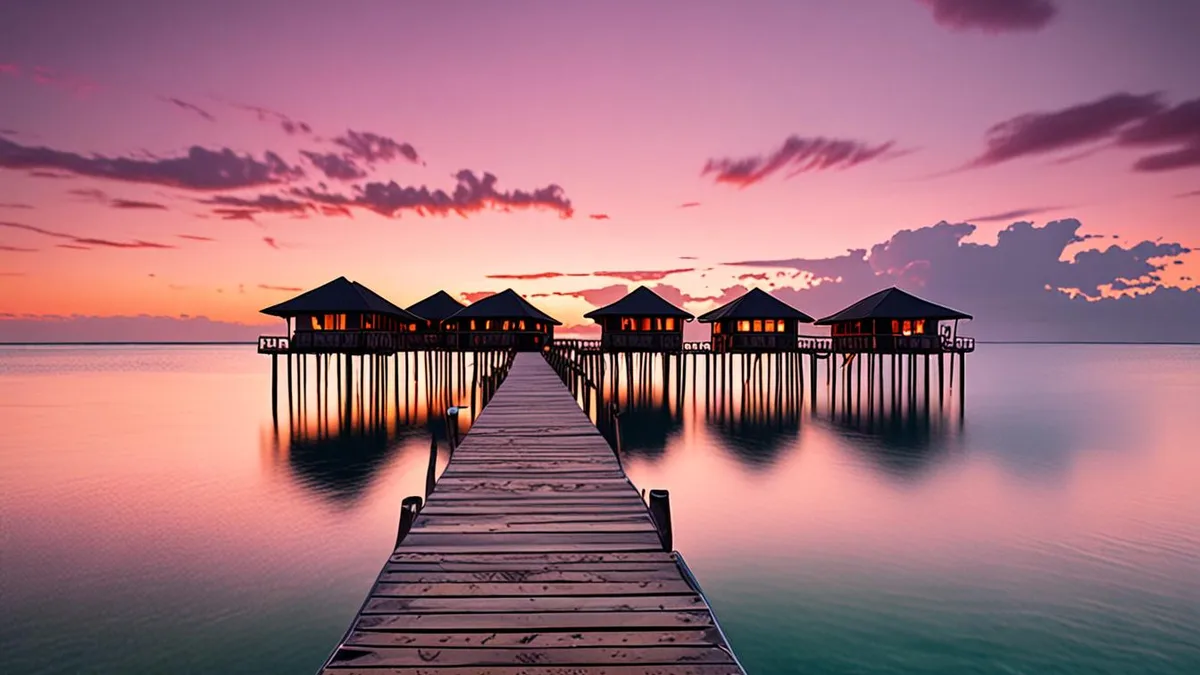
The two villa types could hardly be more different once you step outside your front door. A beach villa sits on the shoreline, opening directly onto sand, and it usually comes with its own stretch of garden and, at many resorts, a private plunge pool. An overwater villa stands on stilts above a lagoon, reached by a jetty or, at some resorts, a short boat transfer, with the sea visible through the floor beneath you and around you on all sides.
What you gain and what you give up
The trade is essentially land space for water views. An overwater villa gives you uninterrupted horizons, the sound of the lagoon beneath your deck and private ladder access straight into the sea. What it generally does not give you is a garden, a lawn or the sense of having an island to wander around outside your door.
A beach villa usually includes larger decks, a plunge pool and shaded garden space where you can read, eat lunch or let children play. Interiors also tend to be roomier, since the villa is not constrained by the footprint of a stilt platform.
Overwater villas, by contrast, focus their outdoor space on the water experience: sun decks built for lounging with a view, hammocks strung over the lagoon and, at many resorts, glass floor panels that let you watch fish pass beneath the villa. Neither type is better in absolute terms; they simply suit different kinds of days and different kinds of travelers, which is exactly what the rest of this article helps you work out.
Price: What the Premium Actually Buys
Overwater villas are almost always the pricier of the two. At the same resort, expect an overwater villa to run roughly 30-80% above a comparable beach villa for the same dates. That premium buys the setting: stilts, a private jetty, uninterrupted lagoon views and direct water access, all of which cost more to build and maintain.
What the same budget gets you on land
Flip the equation and the beach villa starts to look generous. For the same nightly rate, a beach villa typically gives you 20-40% more interior and outdoor space, which matters if you are a couple who wants a private plunge pool, or a family that needs room to spread out. If you want a concrete example of how much pool and garden space a land-based villa can offer, this review of The Residence Zanzibar with private pool villas shows what a beachfront budget can deliver.
When the price gap narrows
Timing can change the math considerably. In low season, which runs roughly May to November across the Indian Ocean, overwater rates can drop by 20-40%, narrowing the gap between the two categories. If an overwater villa has always felt out of reach, traveling in these months is the most realistic way to get one closer to a beach villa price. Check exact dates and current rates with the resort or your booking agent, since seasonal pricing shifts from year to year.
Privacy, Noise and Who Each Villa Type Suits
Privacy works differently for each villa type, and it is one of the most overlooked factors in the decision. Overwater villas suit adults and quiet seekers best, which is why many resorts restrict them to guests aged 12-16 and over. The setting naturally filters out noise: no lawn games next door, no poolside music, just the lagoon. Beach villas, on the other hand, work better for families, since children can play on sand and lawns and walk to restaurants without using jetties, which most resorts keep off-limits or uncomfortable for small kids.
The catch with overwater villas is that your deck sits on a shared jetty. Other guests walking to villas further along can pass close to your deck, so position matters more than most travelers expect.
- Ask for a villa at the end of the jetty, where foot traffic stops at your door and nobody walks past your deck after you arrive.
- Request a villa on the sunset-facing side if seclusion matters, since these are often angled away from the main arrival jetty and service paths.
- Check whether the resort operates separate jetties for different room categories, as some larger islands split overwater villas away from the main walkway entirely.
- For beach villas, ask how far your villa sits from the main pool and restaurant, since shoreline villas closest to these facilities see the most passing foot traffic.
If maximum quiet is your priority, mention it by name when booking. Resorts can usually accommodate a specific villa request, especially outside peak weeks.
Water Access and Snorkelling From Your Deck
The single biggest practical difference between the two villa types shows up the moment you want to get in the water. From an overwater villa, you simply walk down a few steps, open a gate on your deck and climb a ladder straight into the lagoon. The water below is usually around 1-2 meters deep, and at many resorts you will find coral heads, sand patches or reef fish directly beneath your deck. It is the closest thing to stepping off your bed and into a snorkel session.
Beach villas trade that direct lagoon access for something less predictable. Many face a shallow shore that can be seagrass, a reef flat or a low-tide sandbar, so whether you can actually swim often depends on the tide. At some resorts the water in front of a beach villa is only ankle-deep at midday, and you may need to walk a few minutes along the beach to find a proper swimming spot.
If snorkelling is your priority
Then ask one question before you book anything: which side of the island does the house reef sit on? A beach villa on the wrong side of the island can mean a long walk or a shuttle to reach good snorkelling, while an overwater villa on the reef side gives you fish the moment you drop off the ladder. Resorts can usually tell you exactly which villa numbers face the reef, so it pays to ask rather than guess. If you want sand, shade and a garden but still care about the reef, some resorts make this easy — a place like Zuri Zanzibar with its beach villas shows how a well-planned beach villa can still put you close to good water.
Weather, Waves and Seasonal Comfort
Where you sleep on the island changes how the weather feels to you. Overwater villas stand exposed above the lagoon, so they catch the wind and the swell first. In monsoon months this can mean breezy decks, spray on the railings and days when lagoon access is limited or even closed for safety. The same swell that makes the ocean dramatic from a distance can make the ladder swim less appealing up close.
Beach villas, by contrast, sit lower and more sheltered, usually with vegetation or the island itself breaking the wind. Even in rougher conditions, you keep usable outdoor space: a deck, a plunge pool and a shaded garden that stay comfortable when the water is choppy. For travelers who want guaranteed outdoor lounging whatever the season, this is a real advantage.
Timing your stay around the water
If an overwater villa is the whole point of your trip, book for high season — December to March in the Maldives, June to October in French Polynesia — when lagoon conditions are typically calm and the water is at its clearest. That calm is exactly what makes the ladder swim, the glass floor panels and the hammocks over water worth the premium. In the Indian Ocean, the May-November low season brings lower rates, but be honest with yourself about what wind and rain will do to a deck that hangs over open water. A beach villa in low season can be a great deal; an overwater villa in monsoon month after month of swell may not deliver the experience you were picturing.
How to Book: Timing and Questions to Ask
Getting the right villa, not just the right category, is where most bookings succeed or fail. Two villas in the same category at the same resort can offer very different experiences, so a few extra questions at booking time are worth more than any amount of browsing photos. Here is how to approach it.
- Book early for high season. Overwater villas are the first room category to sell out, so reserve 6-12 months ahead if you are traveling in peak months such as December-March in the Maldives or June-October in French Polynesia. Waiting until a few weeks out usually means choosing between leftover beach villas or paying a late-booking premium for what remains. If your dates are flexible, shifting to low season can also narrow the price gap between the two categories.
- Ask for a specific villa. Request a villa number at the end of the jetty if you want maximum seclusion, since mid-jetty villas have foot traffic passing their decks. Overwater villas typically sit 50-300 meters offshore, so the walk back to restaurants and facilities can be a real factor on a breezy night. If you are booking a beach villa instead, ask for one away from the main pool and dining area, where noise and passersby concentrate.
- Check the inclusions within the category. Glass floor panels, private pools and sunset orientation are not standard across every villa in the same category — they vary villa by villa. Ask exactly which features your villa number includes before you pay, and confirm whether sunset-facing or sunrise-facing matters to you. A resort’s own photo gallery often shows the best villa in the category, not the one you will actually get.
Do this and the category choice almost makes itself. Resorts that handle private-villa stays well, such as the setup at Diamonds Star of the East in Zanzibar with its private villas, tend to answer these questions readily, which is itself a good sign of how your stay will go. If a resort is vague about villa numbers, features or orientation, treat that as a warning before you commit to a long-haul trip.
Which Villa Should You Book?
So which one should you book? If your trip is about romance, waking up to water on every side and slipping off your deck straight into the lagoon, the overwater villa is the one to chase — provided the 30-80% premium and the quieter, more adult-focused atmosphere suit the kind of stay you want. If you would rather spread out, the beach villa usually delivers more room for your money, plus a garden, a plunge pool and an easy stroll to dinner without setting foot on a jetty.
A simple way to decide: picture your perfect morning. Is it coffee on a deck with the ocean beneath your feet, or bare feet on warm sand with kids playing on the lawn? Your budget and travel dates will narrow it further, but that image usually points to the right answer. Still torn between the stilts and the shoreline? Leave a comment with your trip details or share this article with the friend you are booking with.