Sleeping under the Northern Lights in a glass igloo hotel sounds like a dream: warm in your bed, sky overhead, auroras dancing above. But many travelers hesitate, wondering whether the reality of freezing temperatures, limited privacy and high prices can match the picture. Winter nights in Finnish Lapland commonly drop between -10°C and -35°C, and nightly rates typically range from roughly €300 to over €1,000 depending on the season and igloo type, so it’s fair to ask a few questions before booking.
This guide walks you through what a glass igloo stay actually involves, from how these igloos work and when to book, to what you’ll pay, what’s inside, and how the Northern Lights viewing really feels from your bed. We’ll also compare the main locations, including Rovaniemi, Levi and Saariselkä, and finish with an honest look at whether the experience is worth it for you.
What Is a Glass Igloo Hotel and How Does It Work?
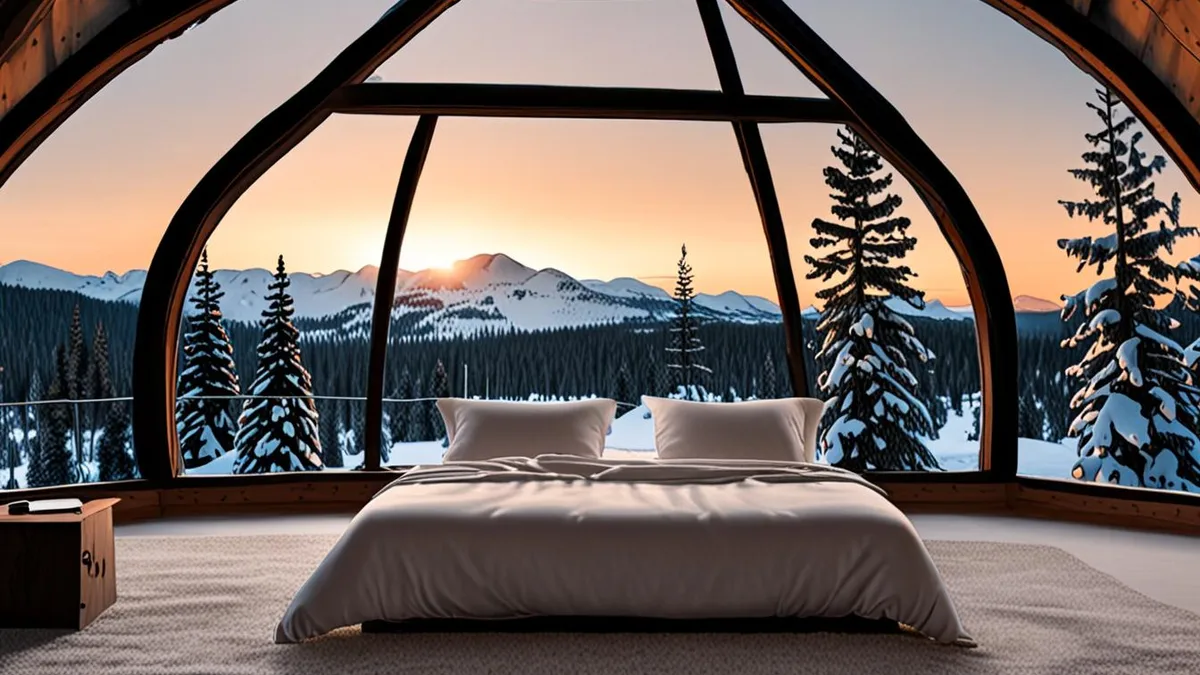
A glass igloo hotel is exactly what it sounds like: a small cabin with a roof and large sections of wall made from clear glass, built so you can watch the night sky from a warm bed. The key technology is thermal glass, which keeps the interior close to normal room temperature even while the outside air drops far below freezing. The panels are also treated so they stay clear in extreme cold — typically down to around -30°C — meaning frost and condensation generally won’t creep across the glass and block your view of the aurora.
Most units come in two shapes. Single domes are rounded, igloo-style structures, while others are A-frame cabins with a steep glass front. Either way, the design centers on one thing: the bed. In nearly all units, a double bed sits directly under or facing the glass, angled so you can lie back and scan the sky without getting up. Most igloos sleep two guests, with a limited number of family units available.
What About Privacy?
Sleeping under a transparent roof sounds exposed, but hotels build in several layers of privacy. Many units have remote-controlled blinds or curtains you can lower from the bed, and blackout options are standard in most properties. The layout of the resort helps too — igloos are usually spaced apart on elevated terrain and angled away from neighboring units, so other guests generally can’t see inside. You can dim your interior lights as well, which keeps the glass reflective-free for better sky viewing.
When to Book a Glass Igloo Hotel Stay in Lapland
The glass igloo season in Lapland typically runs from late August to mid-April, so you have a long window to plan around. That said, not all months are equal. September and March sit in a sweet spot: the weather is milder than deep winter, aurora activity is strong, and rates tend to be lower because demand drops outside the holiday rush. If you want a first taste of the Northern Lights without the harshest cold, these shoulder months are the smartest pick.
Peak months and how far ahead to book
December and February are the busiest times, and for good reason. December combines the festive season with snow-covered scenery, while February offers reliable deep snow and long nights. Because of this demand, you should book 6 to 12 months ahead for these dates. Properties with limited family units sell out first, so if you are traveling with kids, secure your dates as early as you can. For an idea of what a dedicated aurora-focused property looks like, this look at Levin Iglut’s glass suites under the Northern Lights shows what a well-positioned igloo cluster offers.
The polar night trade-off
From late November to mid-January, Lapland enters the polar night, when the sun barely rises above the horizon. Days are very short, sometimes just a few hours of blue twilight, which changes how you plan daytime activities. The upside is maximum darkness, giving you the longest possible window for aurora viewing from your bed. If you can accept the gloom during the day, this period delivers some of the darkest skies of the season.
What You’ll Pay for a Glass Igloo Hotel Night
Glass igloo hotels are not budget accommodation, and it helps to walk in with realistic expectations. A standard night typically costs somewhere between €300 and €1,000+, with the exact figure depending on the season, the resort and the type of unit you book. Christmas and New Year dates sit firmly at the top of that range, and they are also the hardest nights to secure.
The good news is that most rates include breakfast, so you can factor that into the overall value. Some extras, however, are charged separately. Aurora wake-up calls, airport transfers and activities like husky sledding or snowmobile safaris usually appear as add-ons on your final bill, so ask before booking rather than assuming they are bundled in.
Unit type matters just as much as date. A smaller standard igloo for two guests sits at the lower end of the price scale, while larger suites with private saunas or outdoor hot tubs command the highest rates of all. If you are celebrating something special, the premium can be worth it; if you mainly want the aurora view, a standard dome delivers the same sky.
- Midweek nights cost less. Shifting your stay from a Friday or Saturday to a Tuesday or Wednesday often brings the rate down noticeably, even within the same week.
- Longer stays sometimes unlock discounts. Booking three or four consecutive nights can qualify for a reduced per-night rate at some resorts, which also improves your aurora odds.
- Solo travelers rarely pay half. Most igloos are priced per unit rather than per person, so a single guest often pays close to the full double rate.
- Family units are scarce and priced accordingly. Igloos sleeping four are limited at most resorts and tend to sell out before standard doubles, so expect both higher demand and less pricing flexibility.
- Check what “half board” includes. Some resorts offer dinner packages alongside breakfast; comparing that bundled price against eating in the resort restaurant à la carte can reveal real savings.
Inside the Igloo: Comfort, Warmth and Facilities
Step inside a glass igloo and the first thing you notice is how normal it feels. Despite the transparent roof overhead, interiors typically include heating, a private bathroom, Wi-Fi and blackout options, so you get the comforts of a standard hotel room with a sky view most hotels could never offer. The glass is the star, but it does not work alone.
That matters because winter temperatures in Finnish Lapland commonly drop between -10°C and -35°C. At those lows, the heated glass panels and insulated flooring are essential, not optional extras. The glass stays warm enough to remain clear instead of frosting over, and the floors keep your bare feet comfortable on the coldest mornings. You will notice the cold only when you step outside, which is exactly how it should be.
Packing for a Small Space
One practical detail catches many first-time guests off guard: luggage space is limited in dome units. The curved walls leave little room for bulky bags, so pack soft duffel bags rather than hard suitcases. Soft bags slide easily under the bed or into corners, and you will appreciate the extra floor space when you are getting dressed at midnight for an aurora alert.
Beyond that, treat the igloo like a cozy cabin rather than a suite. Most units are designed for two people, so keep expectations realistic about square footage. Bring warm layers for stepping outside, slippers for the heated floors, and a camera with manual settings if you plan to photograph the sky. Everything else, the igloo itself handles.
Northern Lights Viewing from Your Bed
The whole appeal of a glass igloo comes down to one simple idea: you can watch the Northern Lights without leaving your bed. Finnish Lapland sees aurora on roughly 150-200 nights a year, which means a 3-night stay gives you genuinely good odds of at least one clear display. You are not guaranteed a show, but the numbers work in your favor, especially in the darkest months.
What makes the experience special in places like Levi and Saariselkä is the near-total absence of light pollution. With dark skies overhead, strong displays fill the entire glass roof, and you can watch them from under the duvet in a heated room. Some properties, such as the Star Arctic Hotel with its glass roof suites, are built specifically around this bed-level viewing experience.
Most igloo hotels also remove the guesswork of when to look up. Many offer an aurora alarm service that calls your room when activity starts, so you never sleep through the best part of the night. A few practical details can improve your odds even further:
- Clear skies matter as much as solar activity. Aurora forecasts show geomagnetic activity, but a fully overcast sky blocks everything, so check the local cloud forecast each evening too.
- The best displays often come after midnight. Plan for late nights rather than early evenings, and nap during the day if you can.
- Keep the room dark around you. Switch off lamps, phones and screens inside the igloo, since interior reflections on the glass can wash out faint displays.
- Give your eyes several minutes to adjust. Faint auroras that are invisible at first often become obvious once your eyes adapt to the darkness.
How to Choose the Right Glass Igloo Hotel Location
Where you book matters almost as much as when. Lapland’s main glass igloo hubs each suit a different kind of traveler, so think about what you want from the trip before comparing individual properties.
Rovaniemi for First-Timers
Rovaniemi works best if you want to combine your igloo night with the classic Lapland checklist. It is the home of Santa Village, and husky safaris and other winter activities are easy to arrange nearby. If this is your first trip north and you want a mix of experiences rather than a purely aurora-focused stay, the convenience here is hard to beat. The trade-off is more ambient light around town, so the skies are not as dark as they are further north.
Levi and Saariselkä for Aurora Chasers
Levi and Saariselkä offer darker skies and more igloo clusters, which makes them the better choice for dedicated Northern Lights hunters. The Kakslauttanen area near Saariselkä is the best-known cluster of glass igloos, and the surrounding fells and forests keep light pollution to a minimum. If seeing the aurora is the main reason for your trip, base yourself here.
Whichever area you choose, check whether the unit faces an open northern horizon before you book. The aurora typically appears in the northern sky, and forested plots can block low displays entirely. Properties with elevated positions or clear sightlines give you a much better chance of catching the lights from bed, so read the accommodation descriptions carefully or ask the hotel directly about the view from your specific igloo.
Is a Glass Igloo Hotel Stay Worth It?
So, is a glass igloo hotel stay worth it? For most travelers who dream of watching the Northern Lights from a warm bed, the answer is yes. A single night combines aurora viewing, genuine winter comfort and a once-in-a-lifetime setting, even when it is -10°C to -35°C outside. The heated glass and insulated interiors mean the reality does hold up to the dream.
The honest trade-offs are the high rates, which can run from roughly €300 to over €1,000 per night, the compact spaces, and the need to book 6 to 12 months ahead for popular dates. In the end, choosing the right month and the right location matters more than picking the most famous property. If you have stayed in a glass igloo, or you are still weighing it up, leave a comment or share this article.