Figuring out where to stay in New York can feel harder than planning the trip itself. The city has dozens of neighborhoods, and they differ wildly in price, atmosphere and distance from the sights. Pick the wrong one and you can easily add hours of subway time to your days and hundreds of dollars to your bill.
This guide breaks the choice down into manageable pieces. We start with a simple framework for matching a neighborhood to your travel style, then look at Midtown for first-timers, Lower Manhattan for downtown character, Brooklyn for space and value, and Long Island City and other budget-smart picks. We finish with realistic rate expectations and the best timing for booking, so you can lock in the right neighborhood at the right price.
How to Choose Where to Stay in New York
The first decision is the biggest one: do you want to sleep steps from the major sights, or a few subway stops away in a quieter residential neighborhood? Staying near Midtown puts you in the middle of the action but costs the most. Choosing a residential area like Brooklyn or Long Island City usually means better value, larger rooms and a calmer street at night, at the cost of a commute.
Next, match the neighborhood to your trip style. First-timers who want to see the classic sights do best close to Midtown. Food-focused travelers often prefer downtown areas like SoHo or the West Village, where restaurants and cafes cluster. Families tend to get more out of Brooklyn, where rooms are bigger and there is room to breathe after a day of sightseeing.
Check subway access before anything else
Before you book, open a subway map and check which lines serve the hotel. One or two nearby lines matters far more than the exact address, because a hotel on a single remote line can turn every outing into a long trip. A well-connected spot keeps most neighborhoods within that typical 15-30 minute subway ride from the major sights, which is the real measure of a good New York location.
Midtown: Best for First-Timers and Sightseeing
Midtown is the classic New York base, and for good reason. From a hotel here you can walk to Times Square, Central Park, the Empire State Building and the major Broadway theaters. Fifth Avenue shopping, Rockefeller Center and the Museum of Modern Art are also within easy walking range, which means you can fit far more into each day.
What it costs, and what you get
Convenience comes at a price. Midtown hotel rates typically run $250-450 per night, the highest in the city, and rooms at that price are often small. You are paying for location, not square footage, so check room sizes carefully before booking if space matters to you.
Midtown is the best choice if you want to maximize sightseeing time and minimize subway trips. If your days are packed with shows, landmarks and museums, walking back to your hotel in ten minutes beats a late-night commute. If you care more about atmosphere, dining and value, though, the next sections cover neighborhoods that deliver more of both.
Lower Manhattan: Downtown Character and Value
Lower Manhattan trades Midtown’s landmark density for character and better prices. Neighborhoods like Tribeca, SoHo and the West Village offer boutique hotels averaging $180-320 per night, often in converted loft buildings or quiet tree-lined streets. The vibe is more local: independent shops, cobblestone blocks and cafes where New Yorkers actually spend their weekends.
What’s within walking distance
Staying downtown puts the High Line, the Hudson River parks and some of the city’s best dining scenes on your doorstep. You can walk the waterfront in the morning, browse SoHo’s shops in the afternoon and finish with dinner in the West Village without ever touching a subway turnstile. The 9/11 Memorial area and the Brooklyn Bridge are also reachable on foot or with a short ride.
The trade-off is distance from Midtown attractions. Expect roughly 15-25 minutes by subway to reach Times Square, Central Park or the Broadway theaters, which is very manageable but adds up if you plan to head uptown daily. For food lovers and travelers who want atmosphere over sightseeing proximity, Lower Manhattan is usually the smarter pick.
Brooklyn: Space, Local Life and Lower Rates
Brooklyn has quietly become one of the smartest places to base yourself in New York. Neighborhoods like Williamsburg and Brooklyn Heights offer hotel rooms that are noticeably larger than what you get in Midtown, often for the same or less money. Rates here sit in the same range as Lower Manhattan, but you generally get more square footage and a calmer street scene for it.
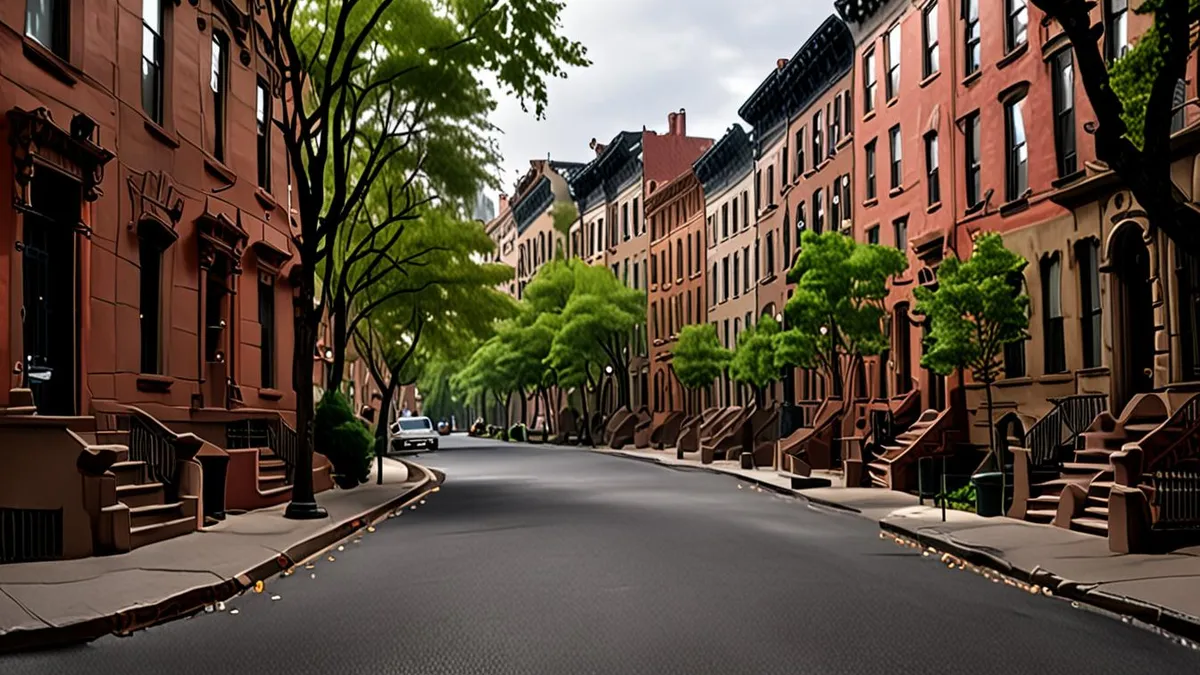
Williamsburg is the livelier of the two, packed with independent cafes, record shops, restaurants and a waterfront with skyline views. Brooklyn Heights is quieter and more residential, with brownstone streets and a lovely promenade looking across at Lower Manhattan. Both have solid subway connections, so you are never cut off from the sights.
The Commute Trade-Off
The main thing to accept is that most Brooklyn bases sit 15-30 minutes by subway from Manhattan’s major attractions. That is not a dealbreaker for most travelers, but it does mean you should plan your days a little rather than popping back to your room between sights. A subway ride between most Manhattan neighborhoods takes just 10-25 minutes, so once you are across the bridge, getting around is quick.
Brooklyn works best for longer stays, families who want extra room to spread out, and anyone who cares more about neighborhood bakeries and local bars than being steps from Times Square. If your idea of a good evening is dinner at a corner restaurant where locals actually eat, this side of the bridge will suit you well.
Long Island City and Other Budget-Smart Picks
If your priority is keeping costs down without sacrificing convenience, Long Island City in Queens deserves a serious look. Hotels here start around $150-250 per night, and the neighborhood sits just one subway stop from Midtown. You get modern hotel buildings, skyline views across the East River, and a commute that is honestly shorter than from many parts of Manhattan itself.
The trade-off is real, though: Long Island City is mostly residential and office towers, so there are fewer sights and restaurants within walking distance. You will be planning your days around the subway lines rather than stepping out the door into the action. The same logic applies to two other money-saving neighborhoods worth considering.
- The Lower East Side offers lower rates than Midtown with a dense cluster of bars, music venues and some of the city’s best casual food, plus direct subway links into Midtown and beyond.
- Harlem combines some of the city’s most competitive hotel prices with rich history, excellent soul food restaurants and a subway ride of roughly 15-30 minutes to major sights, depending on where you are headed.
- Check the line, not just the stop before booking in any budget area; a hotel on an express line saves far more time than the map distance suggests.
None of these areas will put you steps from a famous landmark, but for travelers spending their days out and about, that hardly matters. You sleep cheaper, eat better, and still reach the sights in one straightforward ride.
When to Book and What New York Hotel Rates Cost
New York hotel prices swing more than almost any major city, and timing your booking matters as much as picking the neighborhood. For regular travel dates, reserving 2-3 months ahead is the sweet spot: rates are usually well below peak levels and you still have a full choice of hotels. For the December holidays and the May-June peak, push that to 4-6 months ahead, because the good rooms in the popular neighborhoods sell out early and prices climb as availability shrinks.
When Rates Drop
If your schedule is flexible, aim for January-February or late August. These stretches bring the lowest rates of the year, since business travel is slow and leisure demand dips between the big vacation periods. A hotel that charges premium prices in June can cost a fraction of that in early February, which sometimes makes an otherwise expensive neighborhood suddenly affordable.
As a general rule, expect roughly $150-450 per night depending on where you stay and when. Budget-friendly areas like Long Island City sit at the lower end of that range, while Midtown in high season pushes toward the top. A few practical habits help you land on the right side of that spread:
- Compare the same hotel across a couple of dates before committing; shifting a stay by even one night can change the rate noticeably.
- Check whether breakfast or resort-style fees are added at checkout, since these extras can shift the real price between neighborhoods that look similarly priced online.
- Book refundable rates when you can, then re-check prices closer to your dates and rebook if the rate drops.
Plan around the calendar and your target neighborhood will usually be there at a price that fits your budget.
Wrapping Up Your New York Neighborhood Choice
Choosing where to stay in New York comes down to matching the neighborhood to your trip. Midtown suits first-timers who want to walk to the big sights, while Lower Manhattan and Brooklyn trade convenience for better value and more character, with rates averaging $180-320 per night. If budget is the priority, areas like Long Island City keep rates near $150-250 while putting you one quick subway ride from Midtown.
Timing matters almost as much as location. Booking 2-3 months out usually secures the best rate, and 4-6 months ahead for December holidays and May-June peak season. Pick the right neighborhood and book early, and you’ll save both subway hours and hundreds of dollars. If this guide helped you plan your trip, leave a comment or share it with a fellow traveler.