Alaska lodge trips have a reputation for costing as much as a new car, and it is true that some remote fly-in lodges charge eye-watering nightly rates. But here is the good news: the same mountains, salmon rivers and wildlife you see in glossy brochures can cost half as much if you pick the right season, the right region and book with a bit of strategy.
This guide breaks down what Alaska lodge trips actually cost, from road-accessible lodges on the Kenai Peninsula to all-inclusive wilderness retreats. You will learn which regions give you the most lodge for your money, why traveling in May or September can cut rates by a third, and how to compare an all-inclusive quote against a do-it-yourself road trip. We will also cover booking windows, transport savings and the fine print on what is included, so you can plan a lodge stay that fits your budget instead of blowing it.
What Alaska Lodge Trips Actually Cost
The first thing to understand about Alaska lodge pricing is that there are really two different markets. Road-accessible lodges, especially near Denali and on the Kenai Peninsula, typically run $150-$350 per night. These are ordinary hotels and lodges you can drive to, where you pay for the room and handle meals and activities yourself.
Remote fly-in wilderness lodges play by completely different rules. They typically charge $400-$900 per person per night, a figure that looks shocking until you realize what it usually covers: all meals, guided activities like fishing or hiking, and transfers from the nearest hub. When you add up what you would spend on a restaurant dinner, a guided day trip and a charter flight booked separately, the gap narrows considerably.
The extra line item to watch
Even at all-inclusive remote lodges, one cost often sits outside the quoted rate: the floatplane transfer. Round-trip floatplane transfers to remote lodges often add $300-$600 per person, and many lodges list this as a separate charge rather than folding it into the nightly rate. Always ask whether transfers are included before you compare prices, because a lodge that looks cheaper on paper can end up costing more once the flights are added.
Choosing a Budget-Friendly Region
If your goal is an Alaska lodge stay without the wilderness-lodge price tag, the Kenai Peninsula is the best value base in the state. It has genuine road access from Anchorage, a dense cluster of fishing lodges and cabins, and it is built for self-drive itineraries. You rent a car in Anchorage, loop down through Soldotna and Homer, and fish salmon streams and watch for belugas on your own schedule. For a taste of the remote-lodge experience without giving up road access, some travelers add a stay at a wilderness property reachable by boat, and you can read about one example in this Tutka Bay Lodge guide to wilderness cabins.
The Denali highway corridor
The corridor around Denali is the other mid-price option worth serious consideration. Lodge choices along the highway corridor sit at the same general rate level as the Kenai, and the trade-off is simple: you sacrifice the ocean and salmon fishing of the Kenai but gain the best odds of seeing the mountain itself plus tundra wildlife from the roadside.
So when is a remote bush lodge worth the splurge? When the entire point of your trip is one specific experience, like fly-out fishing for trophy rainbows or a week of bear viewing, and you would otherwise pay for multiple guided day trips anyway. To compare fairly, price out your road trip alternative: rental car, lodge nights, restaurant meals, guide fees and charters, then stack that total against the all-inclusive remote rate. If the numbers come close, the remote lodge usually wins on convenience and time on the water or trail.
Traveling in Shoulder Season to Save
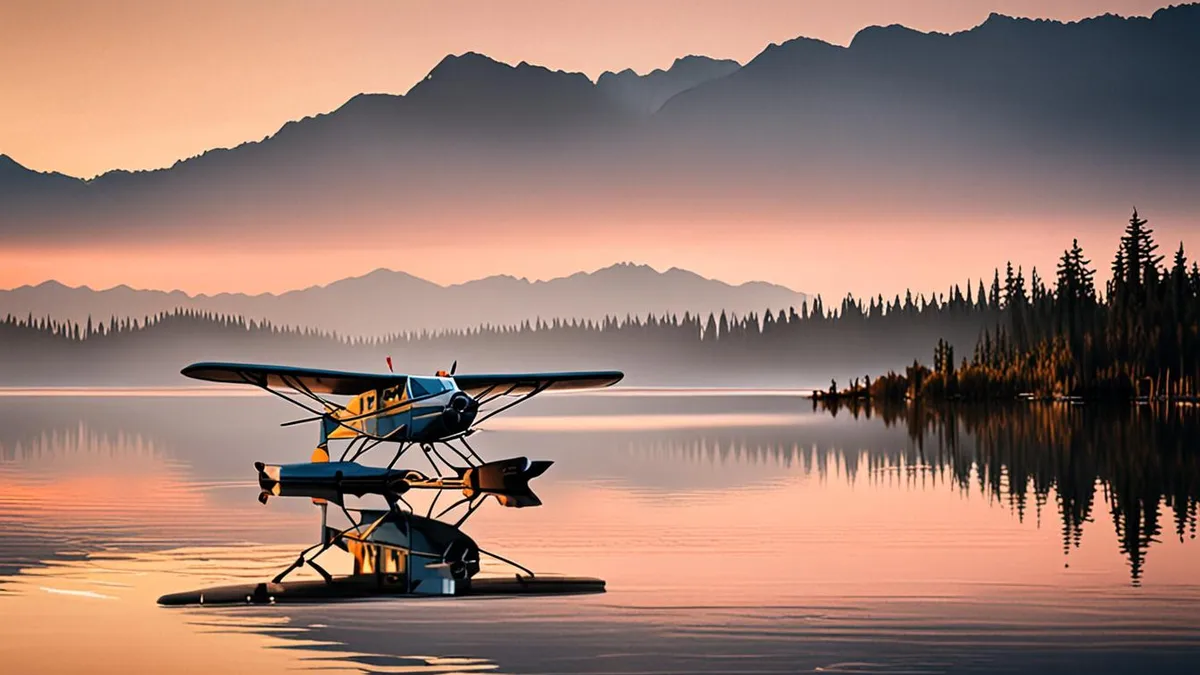
If your dates are flexible, shifting your Alaska lodge trip to the shoulder season is one of the easiest ways to cut costs. Lodges in May and September often drop their rates by roughly 20-40% compared with peak summer prices, and the savings apply to both road-accessible lodges and pricier remote stays. On a week-long trip, that discount can free up several hundred dollars for guided activities or a longer stay.
The trade-offs are real, though. Expect cooler temperatures, more variable weather and a shorter list of operating tour operators, since some excursions wind down outside the summer rush. In return, you get quieter trails, easier dinner reservations and, at certain times, excellent wildlife viewing as animals become more active before winter.
Late August through September is often the sweet spot. Rates start dropping while the tundra and birch forests turn brilliant shades of orange and red, so you get early fall scenery at a discount. It is a favorite window for photographers and anglers, and many lodges still run their core activities during this stretch.
Before you commit to shoulder season dates, ask each lodge a few specific questions:
- Which activities still run? Some lodges scale back guided hikes, boat trips or fishing charters in September, so confirm what is included before comparing rates.
- What are the daylight hours like? Days shorten quickly in fall, which matters if you are planning long fishing days or back-to-back excursions.
- Is the full kitchen open? A few lodges reduce meal service or close dining areas in slower months, which affects the value of a package rate.
- What should you pack? Cooler, wetter weather calls for proper rain gear and warm layers, so budget for clothing you may not need in July.
Booking Timing and Package Deals
Alaska’s most popular lodges don’t stay open on their calendars for long. If you have your heart set on a specific lodge or a peak-season week, timing your booking matters more than almost anything else. The good news is that a bit of planning can also unlock better rates than the brochure price.
- Book early for peak summer. For dates between mid-June and mid-August, plan on reserving 6-12 months ahead. Popular lodges fill their prime weeks first, often with returning guests who rebook before the season even ends, so waiting until spring usually means settling for leftover dates or a pricier alternative.
- Ask about multi-night packages. Many lodges offer stays of three nights or more that bundle meals, transfers and guided activities at a lower combined rate than booking each piece separately. If a package price covers things you were going to pay for anyway, the savings can be substantial.
- Call the lodge directly. Websites don’t always show everything. Lodges sometimes have last-minute openings from cancellations, and in shoulder months they may offer off-peak weekday rates that never appear online. A short phone call or email can reveal options you won’t find anywhere else.
- Get on a waitlist. If your first-choice lodge is full for your dates, ask to be added to the cancellation list. Summer plans change constantly, and a spot that opened three weeks before departure can end up being the best deal of your trip.
One practical habit: keep a shortlist of two or three lodges in your target region and check in with each as your travel window approaches. Ask each one the same questions about packages, cancellations and any unlisted rates so you can compare answers side by side. Flexibility on exact dates, especially in May or September, gives you the best shot at combining a discount with a lodge you actually want. And if your dates are firm, widen your search to a second region rather than paying a premium for a lodge that’s nearly full.
Cutting Transport Costs
Transport is one of the biggest variables in an Alaska lodge budget, and it’s also the one you control most easily. Every floatplane leg you avoid is money that stays in your pocket for extra nights, better gear or a guided fishing day. The key is deciding early whether your trip truly needs to fly, because that single choice shapes the whole itinerary. A road-based plan lets you stretch your budget across more nights and activities, while a fly-in trip concentrates your spending into fewer, more remote days. Neither approach is wrong, but mixing them without a plan is where costs quietly balloon.
- Road-accessible lodges plus a rental car. On the Kenai Peninsula and along the Denali highway corridor, you can reach excellent lodges by paved or gravel road. A rental car typically costs a fraction of round-trip floatplane transfers and gives you freedom to change plans mid-trip, stop for wildlife or weather, and split a longer route with travel companions to cut per-person costs.
- Compare transfer-inclusive versus transfer-charged lodges. If a fly-in stay is the goal, some remote lodges build the floatplane into their rate while others quote it separately, and that per-person round-trip cost can be substantial. Ask specifically, because two lodges with similar nightly rates can end up far apart in total price once transfers are added for a couple.
- Plan a loop to dodge one-way fees. Rental companies often charge a drop fee if you pick up in Anchorage and return elsewhere. For Kenai Peninsula trips, picking up and dropping off at the same airport, and timing your loop so the car stays out for whole days rather than partial ones, keeps the total lower.
If you do fly in, remember that the floatplane ride is genuinely part of the experience, not just a taxi fare. You’ll skim over glaciers, lakes and mountain passes that road travelers never see, and many travelers count the landing on a remote lakeshore as a highlight of the whole trip. Treat the transfer as an activity expense rather than pure overhead when you weigh the options, and check with each lodge whether the flight is bundled into the rate or billed separately so you can compare true totals.
Understanding What Is Included
Lodge rates in Alaska vary enormously, and so does what those rates actually buy you. A $250-per-night road-accessible lodge with no meals can end up costing more per day than a remote lodge quoting double that, once you add restaurants, gear rentals and guided trips. The trick is to compare quotes on identical terms before deciding which one is the deal.
What to check before you book
Go through each quote line by line and note what it covers. The big questions: are all meals included, or just breakfast? Does the rate cover guided fishing or hiking, or do guides cost extra? Are waders, rods and other gear provided? And if the lodge is remote, are floatplane transfers part of the package or billed separately? Many full-service lodges bundle meals, guided activities and transfers into one rate, which is exactly why their nightly price looks high at first glance.
Do the per-day math
Once you know what’s included, run a simple comparison. Take the all-inclusive rate, add the extras you’d still pay out of pocket, and divide by your number of nights. Then do the same for a cheaper lodge plus its add-ons. Budget separately for the things almost no lodge includes: premium fishing charters, flightseeing add-ons and gratuities for guides and staff. Those extras can add up quickly, so leave room for them in your budget rather than treating them as afterthoughts.
Done honestly, this math often shows that the lodge with the higher nightly rate is actually the cheaper trip per day. It also shows the opposite sometimes, which is why it pays to run the numbers for every lodge on your shortlist.
Planning Your Budget Alaska Lodge Trip
An Alaska lodge trip can look out of reach at first glance, but the numbers tell a friendlier story. Staying near Denali or along the Kenai road system generally means nightly rates somewhere between $150 and $350, while a wilderness lodge you can only reach by plane asks $400-$900 per person per night, usually with meals included. The same wilderness experience can cost half as much depending on the choices you make.
The biggest levers are simple: travel in the shoulder season, when rates can drop by roughly 20-40%; book popular lodges 6-12 months ahead for peak summer dates; and base yourself in road-accessible regions like the Kenai Peninsula or the Denali highway corridor. Before you commit to any lodge, weigh what the rate includes against the nightly price, since many full-service lodges bundle meals, guided activities and transfers into one rate. If this helped you plan your trip, leave a comment or share the article.