Scroll through a dozen safari lodge photos and they all start to blur together: canvas tents, four-poster beds, a firepit overlooking the savanna. Yet two lodges that look identical online can differ wildly in what you actually get, when the wildlife is best, and what the final bill looks like. Choosing the right safari lodge is less about the prettiest gallery image and more about matching room type, rate structure and season to your budget and wildlife goals.
This guide walks through the decisions that matter most. We’ll break down the room categories lodges offer and what each tier really buys you, decode how nightly rates are structured so you can compare quotes fairly, and explain how peak and green seasons change both price and experience. We’ll also weigh national park locations against private conservancies, share realistic booking timelines, and help you match a lodge to your travel style, whether you’re a photographer, honeymooner or family with young children.
What Room Types Safari Lodges Offer
Most safari lodges offer three or four distinct room tiers, and the differences go well beyond size. Standard tents and rooms are the entry level at mid-range lodges and suit first-timers perfectly: you get a proper bed, en-suite bathroom and the same game drives as everyone else, without paying for extras you may not use. If you’re spending most of your day out in the vehicle anyway, this tier often makes the most financial sense.
Step up to the suite and villa categories and the price jumps sharply, but so does the privacy and comfort. Before you book, it helps to understand what each tier typically includes:
- Suites and villas: these often add private plunge pools, expansive decks or dedicated butler service, and at many lodges they carry a premium of roughly 40-80% over standard rooms.
- Waterhole-viewing and elevated rooms: these trade interior space for position, letting you watch elephants and other wildlife from your bed between game drives.
- Family units and two-bedroom configurations: essential if you’re traveling with children, since many camps enforce minimum-age rules and won’t accept young children in standard tents.
One practical tip: ask the lodge exactly which room category your quoted rate covers. Some camps market their best suites heavily while the standard inventory, the one most guests actually book, looks quite different in person.
It also pays to think about how you’ll actually use the room. If your days are filled with early morning and late afternoon game drives, a simpler tent may serve you better than a suite you’ll barely see in daylight. On the other hand, if you plan to spend quiet midday hours at camp, features like shaded decks, plunge pools and indoor lounges become genuinely worthwhile rather than indulgent extras.
Finally, remember that room categories can sell unevenly. The best-positioned tents and suites are often reserved first, especially for peak-season stays, so confirming your preferred category early gives you the widest choice rather than whatever remains closer to arrival.
How Safari Lodge Rates Are Structured
Safari lodge pricing can be confusing at first glance because most lodges quote per person per night, not per room. The good news is that these rates are usually all-inclusive: meals, twice-daily game drives, and park or conservancy fees are bundled into one figure. Mid-range lodges typically fall in the range of USD 250-600 per person per night on this basis, while luxury conservancy camps can run from USD 800 to well over USD 1,500 per person per night.
What’s not included
Read the fine print before you compare quotes. Premium drinks, laundry, internal flights and gratuities are frequently excluded, and together these can add a meaningful amount to your daily spend. Park and conservation fees also change regularly, so check the current rate with the lodge or the managing authority before you budget. Ask for a full inclusions list in writing so there are no surprises on your final bill.
Traveling solo? Many lodges charge a single supplement, often 20-50% above the per-person sharing rate. Families fare better: children under 12 usually receive discounted rates, though policies vary by camp.
Comparing quotes fairly
The golden rule is to compare like with like. A rate that includes park fees can easily beat a cheaper one that charges them separately on top. Add up what each quote actually covers — meals, drives, fees, drinks — and then compare totals. If you’re weighing a suite upgrade, this look at Ol Pejeta Bush Camp and its safari suites shows what the higher tier can include in practice.
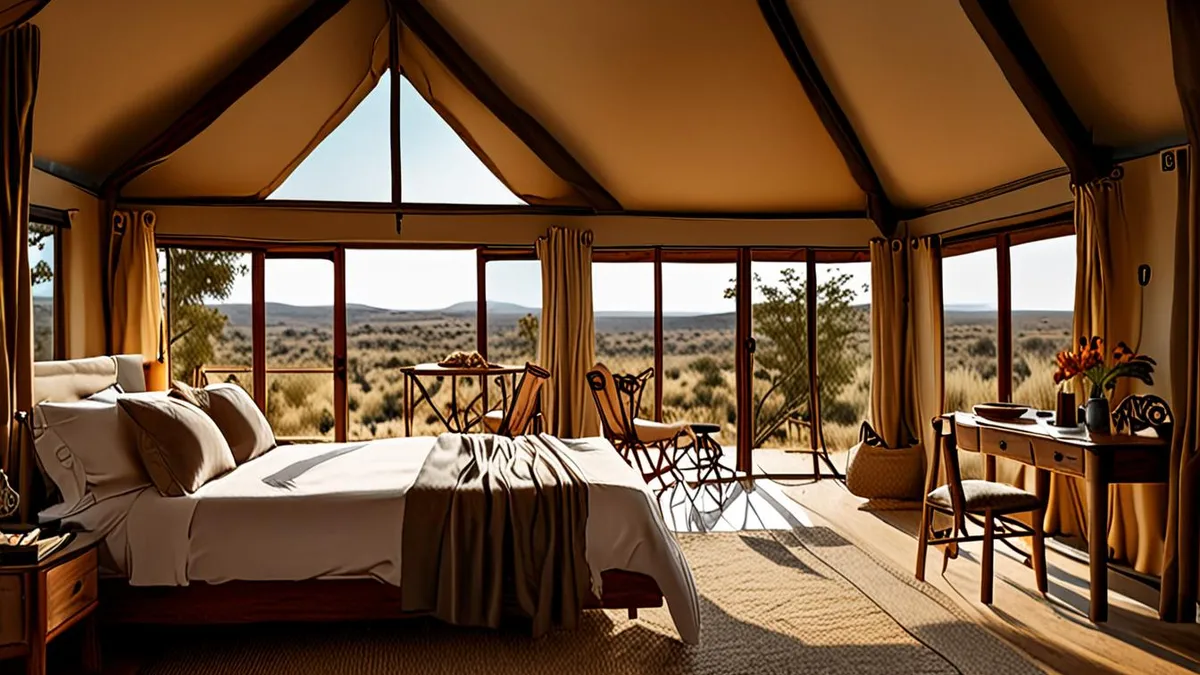
Choosing Your Season: Peak vs Green Season
Timing shapes your safari as much as your lodge choice does. The same camp can feel like two completely different places depending on when you visit, both in wildlife viewing and in what you pay per night.
Peak season: dry months and the Migration
July to October is peak season in Kenya’s Masai Mara, aligned with the Great Migration river crossings. These dry months thin the vegetation and concentrate wildlife around water sources, making animals noticeably easier to spot. The trade-off is price and crowds: expect full vehicles at popular sightings and rates at their yearly high. Lodges such as the Mara Serena Safari Lodge with its savanna suites sit in prime Migration country, which is exactly why they book out furthest in advance.
Green season: value and drama
From November to March, the landscape turns lush and green. Rates typically drop 30-50% compared with peak season, newborn animals appear across the plains, and dramatic skies make for striking photography. The compromise is rain, which tends to fall in the afternoons rather than all day, and thicker vegetation that can make spotting harder.
If you want the best of both worlds, consider the shoulder months of June and November. They often deliver the best balance of price, weather and crowd levels, with good game viewing and far fewer vehicles at sightings.
Location: National Park vs Private Conservancy
One of the biggest decisions you’ll make is whether to stay inside a national park or in a private conservancy next door. Park-based lodges put you closest to the famous wildlife areas, so you can often reach a river crossing or a big cat sighting within minutes of leaving camp. The trade-off is company: in busy areas you may share a leopard sighting with a dozen other vehicles, and park rules typically mean you must return to camp by dusk.
What conservancies offer instead
Private conservancies cap the number of vehicles allowed at any sighting, which keeps encounters calmer and your photos free of safari-jam crowds. Because the land is privately managed, camps can also offer night drives, guided walking safaris and off-road tracking, none of which are usually permitted inside national parks. This exclusivity comes at a price: conservancy camps generally charge noticeably higher rates than comparable park lodges, so weigh what those extra experiences are worth to you.
A smart middle path is choosing a camp inside a conservancy that borders a park. You get the quieter conservancy experience from your own doorstep, plus the option to spend full days exploring the park itself, often at a mid-range price point between the two extremes.
Finally, think about how you’ll arrive. Some remote camps are only reachable by light-aircraft hop, which typically adds around USD 200-400 per person return to your budget. Check flight logistics with your operator before you fall in love with a lodge that’s hard to reach.
When and How to Book Your Safari Lodge
Booking a safari lodge is less like reserving a hotel and more like securing a seat at a small, fixed-capacity event. Many camps have only a handful of tents, so a single group can take an entire property offline for a week. Timing matters as much as negotiation, and the camps that suit your dates, budget and travel style tend to be the same ones other travelers are chasing. A camp like Elephant Bedroom Camp, with its safari suites along the river, is exactly the kind of property where room choice disappears fast in high demand. Here’s how to approach it step by step.
- Lock in peak-season dates early. For camps near the Migration route in high season, book as far ahead as you realistically can. The earlier you commit, the better your pick of tent positions and views — and some camps offer early-bird incentives for guests who confirm well in advance.
- Be flexible for green season. From November to March, availability is much easier, and a few months of lead time is usually enough for mid-range lodges. Rates drop noticeably in this window, and managers often have more room to accommodate special requests.
- Ask about stay-longer deals. Many camps discount longer bookings, and it’s common to find 10-20% off for stays of four nights or more. It costs nothing to ask when you enquire.
- Get cancellation terms in writing. Deposits are typically 20-30% of the booking value and often become non-refundable close to arrival, so know exactly where that threshold sits before you pay.
Once your dates and camp are confirmed, put everything in one email chain: deposit amount, balance due date, what the rate includes and the cancellation schedule. Ask for written confirmation of your exact tent or room category, since some camps hold several categories at different price points. Safari lodges are generally accommodating when plans change early, but the closer you get to arrival, the stricter the terms become. If you might need to shift dates, say so before paying a deposit — many camps will move a booking once, within the same season, if they know upfront. Clear paperwork protects both sides.
Matching the Lodge to Your Safari Style
Not every safari lodge suits every traveler, and the best way to narrow your shortlist is to start with your own style of safari. A honeymoon couple and a family with two young children can stay in the same conservancy and have completely different experiences depending on the camp they pick. Before comparing prices, be honest about what your days will actually look like.
Photographers should treat the vehicle and the guide as part of the equipment. Open-sided vehicles let you shoot at eye level in every direction, and dedicated beanbags stabilize long lenses on the door rails. Ask whether guides have been trained in camera positioning, because a guide who repositions the vehicle for the light is worth more than any room upgrade. Birders, meanwhile, often get the richest species lists in the green season, when migratory visitors swell the resident populations and the bush is alive with song.
- Honeymooners: conservancy camps frequently include private bush dinners, sundowner stops and quieter sightings, delivering more romance per dollar than large, well-known park hotels.
- Families: look for dedicated children’s programs, such as junior ranger activities and shorter, flexible game drives, rather than assuming every lodge welcomes kids.
- Photographers: confirm whether the camp limits seats per vehicle, since three photographers per row beats six squeezed together with tripods.
- Birders: ask if the camp employs specialist birding guides, as a knowledgeable guide can add dozens of species to your list in a single morning.
Match the lodge to how you travel, and the rest of the decision, room category, rate and season, falls into place far more easily.
Wrapping Up Your Safari Lodge Choice
Two lodges with similar photos can deliver very different stays, so it pays to look past the gallery images before you commit. Start by checking what a rate actually covers: some quotes bundle meals, game drives and park or conservancy fees, while others treat drinks, laundry and transfers as extras. Ask the lodge or your operator for a full cost breakdown in writing, so you can compare quotes on equal terms rather than being surprised at checkout.
It also helps to think about where the lodge sits. A camp inside a private conservancy usually means quieter game drives, since conservancies cap vehicles at sightings, while a park-based lodge puts you closer to the famous wildlife areas. Neither choice is wrong; it simply depends on whether you value exclusivity or proximity more. If this guide helped you plan your trip, leave a comment or share it with a fellow traveler.