Watching the northern lights drift overhead from a warm bed sounds like a dream, but turning it into reality takes more than picking a pretty cabin. Many travelers book an aurora cabin in the wrong month, in a cloudy region, or too late to get anything but the leftovers. The difference between a magical night under green curtains of light and a cloudy, expensive disappointment often comes down to timing and location.
This guide walks through the essentials: when aurora season actually runs and which months give you the best odds, where the strongest aurora cabin regions are from Finnish Lapland to Iceland and North America, and how far ahead you should reserve for popular winter dates. We will also compare cabin types, explain how moon phases and forecasts affect your chances, and describe what a stay on site really looks like. By the end, you will know exactly how to plan a trip that maximizes your sighting odds.
When Aurora Season Runs: Months That Matter
The northern lights are technically active year-round, but you can only see them when the Arctic sky is dark. That is why the aurora season runs roughly late August to early April: outside this window, the midnight sun and bright summer nights wash out any display. Within those months, though, conditions vary a lot, and picking the right stretch makes a real difference to your odds.
Autumn: September and October
Early autumn is an underrated window. Nights are dark enough for strong displays, but temperatures are still mild and snow has usually not settled yet, which makes roads, hiking trails and remote cabins far easier to reach. Lakes are often still open water, adding beautiful reflections to photographs. For travelers who dislike deep cold, this is the friendliest part of the season.
Deep winter and early spring
From November to February, you get the longest nights of the year and the peak statistical odds of a sighting. The trade-off is serious cold, short daylight hours for activities, and snow that can complicate travel. March is the sweet spot for many returning aurora chasers: activity remains strong, daylight is lengthening, and skies are often clearer than in midwinter. If you want a balance of darkness, comfort and stable weather, early spring deserves a close look.
Best Locations for an Aurora Cabin
Not all aurora destinations are equal. The biggest factor is not geomagnetic activity, which affects the whole Arctic, but cloud cover. Inland areas with continental climates tend to have more clear nights, while coastal regions trade dramatic scenery for unstable weather. Choosing your region carefully can matter as much as choosing your dates.
Inland Finnish Lapland is the standout for reliability. Areas around Rovaniemi and further north toward Inari sit far from the moderating influence of the sea, so they often enjoy frequent clear nights and dependable sightings. Many travelers start their research with a stay at an aurora cabin resort near Rovaniemi, where glass-roofed accommodation is well established. Iceland is another excellent choice, with aurora cabins spread around the country, though its coastal weather means cloud cover is the main variable you will be fighting.
Beyond the two leaders, there are strong alternatives depending on what you want from the trip:
- Norwegian Lapland: Regions around Tromsø combine aurora viewing with fjord and mountain scenery, but Atlantic weather systems bring more cloud than inland Finland, so flexible multi-night stays matter more here.
- Swedish Lapland: The area around Abisko is famous for a local microclimate that keeps skies open, and the ice hotel village of Jukkasjärvi adds a winter experience you will not find elsewhere.
- Alaska and the Yukon: North American options suit travelers who want to pair auroras with remote wilderness lodges, dog mushing and true off-grid silence, though access typically involves more flight connections.
If your priority is simply maximizing sighting odds, inland Finland is hard to beat. If scenery and variety matter just as much, Norway, Sweden or Iceland reward travelers who build in extra nights.
How to Time Your Booking
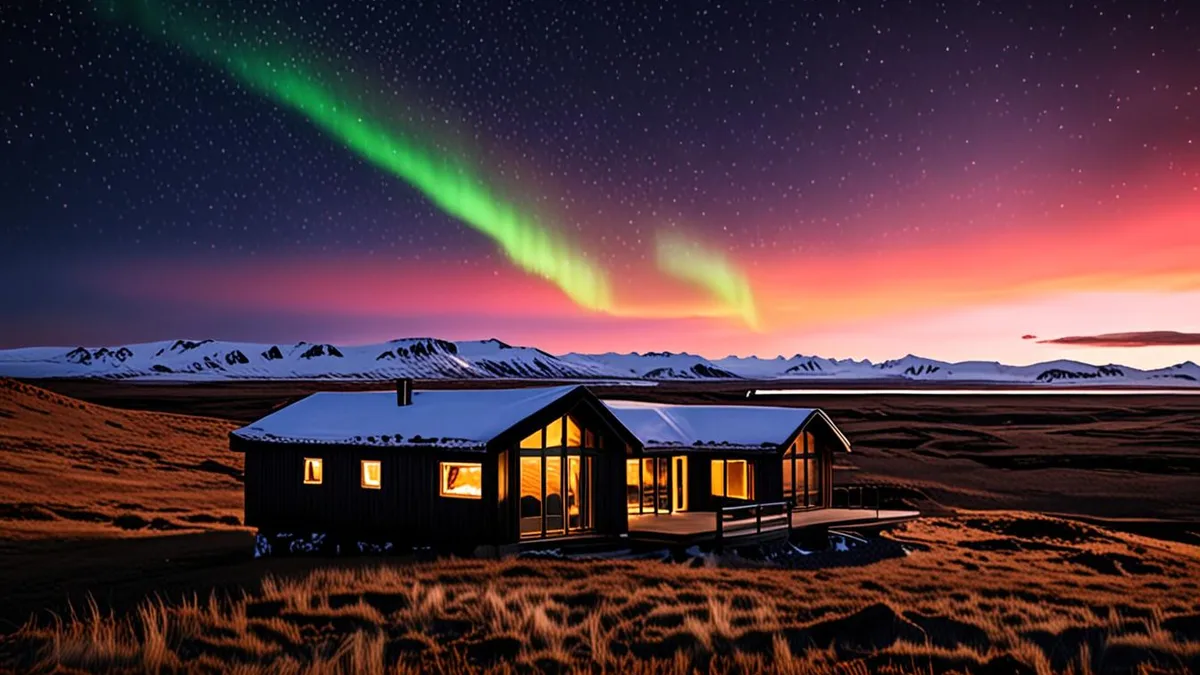
Aurora cabins are a small niche compared to regular hotels, and the best glass-roofed properties sell out their winter inventory early. There are only a handful of reputable operators in each region, and many have fewer than twenty cabins in total. That scarcity means timing your reservation well is often the difference between a prime midwinter date and a compromise, or between a glass roof over your bed and a standard room with a walk outside. Here is a practical sequence to follow.
- Lock in your dates first. Decide whether you are targeting the December to February window, which sees the highest demand, or a quieter shoulder month. Your date choice drives everything else, including price, availability and how far ahead you need to book.
- Reserve 6 to 12 months ahead for peak winter. For December through February stays, this lead time is standard advice. Popular glass cabins can be fully booked for the season well before autumn arrives, especially around new moon weeks when demand spikes further.
- Use shoulder months for flexibility. September, early December and March can typically be booked 3 to 6 months out, and they often deliver excellent viewing conditions with more availability and gentler prices.
- Compare properties before committing. Options range from inland Finnish resorts to Iceland properties like a glass cabin lodge on Iceland’s south coast, each with different cancellation terms worth reading closely before you pay a deposit.
- Book your flights around the cabin, not the reverse. Since cabin availability is the scarcest resource, secure it first and then match flights, ideally with flexible or changeable tickets in case weather disrupts your plans.
What if you are planning on short notice? Last-minute glass cabins are rare in peak season, and you should expect limited choice and higher rates when they do appear. A realistic fallback is to look at standard wilderness or lake-view cabins, which are more plentiful and still put you under dark skies. As a budget reference, rates typically run $250 to $900 per night, with midwinter dates sitting at the top of that range. Shoulder months are where patient, flexible travelers find the best value, so if your schedule allows any shift at all, move your trip rather than settling for a lesser cabin in the busiest weeks.
Choosing the Right Cabin Type
The classic aurora cabin experience is a glass-roofed room where you can lie in bed and watch the sky. It is hard to beat on a cold night, and it means you never miss a display that appears while you are dozing. The trade-off is price: glass-roofed options typically cost more than standard rooms in the same resort, and midwinter dates sit at the top of the range.
Pay attention to the glass itself. In deep cold, ordinary glass panes frost over from the inside, and a frosted roof blocks the very view you paid for. Aurora cabins with heated glass keep the surface clear even when temperatures drop far below freezing, so ask about this feature before booking rather than assuming every glass cabin has it.
Alternatives that trade glass for darker skies
Lake-view and wilderness cabins skip the glass roof but often sit in darker surroundings with wide-open horizons. You step outside to watch instead of staying under the covers, and the lower rates can free up budget for extra nights, which improves your odds of at least one clear, active evening.
Wherever you stay, distance from village lighting matters more than many travelers expect. A cabin a short walk or drive from the resort center gives noticeably darker skies, which makes a real difference for photography. Properties such as Northern Lights Village in Finland build their aurora cabins around exactly this idea, pairing glass roofs with settings away from town glow.
Moon Phases, Weather and Aurora Forecasts
A bright moon can wash out a modest aurora, so plan your stay around the new moon when you want the darkest skies and the strongest contrast in both your eyes and your camera. Check the lunar calendar before fixing your dates, especially for the darker midwinter months when every advantage counts.
Just as important is what the sky is doing above you. Clear skies matter more than aurora activity, because a strong display behind a solid cloud layer is invisible. Look at long-range cloud forecasts for your region rather than relying on aurora forecasts alone, and favor inland areas such as Finnish Lapland, which often have clearer nights than coastal zones.
The Kp index measures geomagnetic activity, and in Arctic locations a reading of 3 or higher usually produces visible auroras. You do not need a monster storm to see lights from a good cabin; you need activity plus a clear patch of sky.
- Aurora alert apps push notifications when activity spikes, so you can decide within minutes whether to get up or roll over.
- Hotel wake-up services let staff knock or call when the lights appear, which is invaluable for short-lived displays that fade in fifteen minutes.
- Webcams near your cabin show current sky conditions, helping you judge whether clouds are actually breaking before you step into the cold.
What to Expect On Site
Most aurora cabins are built around one goal: making sure you never sleep through a display. Many include an aurora alarm or wake-up service, where staff monitor the sky and alert guests when the lights appear. It sounds like a small thing, but displays can be short-lived, and it beats setting your own alarm every hour.
Inside, expect warm, practical comfort rather than luxury. Heated interiors and insulated glass are standard, and most cabins come with a simple kitchenette or access to on-site dining, so you can cook a late meal or grab breakfast without a long trip. Bed quality matters more than you might think, since the whole point is watching the sky comfortably from under the covers.
Filling the daylight hours
Daylight is short in aurora season, but resorts fill it well. Husky sledding, snowmobiling and ice fishing are the usual lineup, and most can be booked on site or through the resort the day before. If you are staying several nights, spreading activities across your stay keeps the aurora hunt from feeling like the only thing on the agenda.
Pack for conditions, not for the cabin. Even with a heated room, you will be stepping outside at night to test the sky, and midwinter nights in the Arctic can sit at -20°C to -30°C. Thermal base layers, insulated boots, a windproof outer shell and good gloves are not optional; they are the difference between watching a display for an hour and retreating inside after five minutes.
Planning Your Aurora Cabin Stay
So, when should you book an aurora cabin? Aim for the darkest stretch of the season, November to February, within the wider aurora window that runs from late August to early April. Inland Finnish Lapland and Iceland stand out as the leading regions for glass-roofed stays, combining strong aurora activity with stays where you can watch the sky from bed.
Because demand far outstrips supply in midwinter, reserve 6 to 12 months ahead for peak dates, when rates typically run $250 to $900 per night. Pair your stay with new moon dates and keep a night or two flexible to maximize your sighting odds. If you have stayed in an aurora cabin or have a region you swear by, share it in the comments, or pass this article along to a fellow traveler.