Rome has dozens of distinct neighborhoods, and picking the wrong one can mean long walks, noise or inflated prices for your entire stay. The area you choose shapes every morning and evening of your trip, from how close you wake up to the Pantheon to how much you pay for a modest double room. That is why comparing neighborhoods before booking a hotel in Rome is worth an hour of your time.
This guide walks you through the city’s main areas one by one: what each is best for, what you can expect to pay in high season, and the trade-offs nobody mentions in the brochure photos. We start with how to set your priorities, then compare Centro Storico, Monti and Trastevere, the Vatican side and Prati, and the budget-friendly zone around Termini. We finish with advice on when to book and a quick recap to help you match a neighborhood to your travel style.
What Matters Most When Picking a Hotel in Rome
Before you compare prices or photos, decide what actually matters to you on this trip. Some travelers want to walk out the door and see major monuments within minutes. Others care more about a lively food scene, bars that stay open past midnight, or a quiet residential street where locals do their evening shopping. Rome can deliver all of these, but rarely in the same block.
How central is central, really?
The good news is that Rome’s historic center is remarkably compact. Most central neighborhoods put you within a 20–30 minute walk of the main monuments, so even if you skip the priciest addresses, you rarely sacrifice much convenience. Distances that look intimidating on a map, such as the roughly 4 km, 50-minute walk between the Colosseum and Vatican City, are the exception rather than the rule.
Set your budget first
Prices vary sharply between areas, so set a nightly budget before you start comparing hotels. Central rooms run roughly €120–€350 per night in high season, and the same standard of room can cost very different amounts depending on the street. Knowing your ceiling keeps you focused and prevents a charming lobby photo from talking you into a neighborhood that doesn’t suit your plans. Once your priorities and budget are clear, the neighborhood comparison becomes much easier.
Centro Storico: Classic Rome at a Premium
If you want the Rome of postcards, this is it. Centro Storico covers Piazza Navona, the Pantheon and Campo de’ Fiori, a dense weave of Baroque squares, fountains and cobblestoned lanes. Step outside your hotel and you are instantly in the scenery most visitors came to see, often with no metro ride or long march required.
What you’ll pay
Convenience and beauty come at a price. This is the most expensive part of the city, sitting at the top of Rome’s central price range, so expect to pay more here than in any other neighborhood. You are paying for location above all: rooms here can be smaller and more basic than similarly priced options elsewhere, so check room sizes carefully before booking. If the top rates feel steep, compare a few blocks’ radius — even a short walk toward the edges of the district can soften the price while keeping you close to the piazzas.
Who it suits best
Centro Storico is ideal for first-time visitors who want to step straight into Baroque Rome. If your days are packed with sightseeing and you’d rather return to your hotel for a rest than cross the city, this location pays for itself in saved time and energy. You can pop back to your room between the Pantheon and a long lunch, then head out again for an evening stroll without planning around transport.
Be aware of the practical quirks. The streets are narrow, so taxi access is limited and drivers often drop you at the nearest reachable corner, luggage in tow. Evenings around the piazzas are lively and can stay noisy well past midnight, so light sleepers should look for rooms on upper floors or inner courtyards. If you can live with those trade-offs, few places in Europe offer a more atmospheric base.
Monti and Trastevere: Character Neighborhoods for Food Lovers
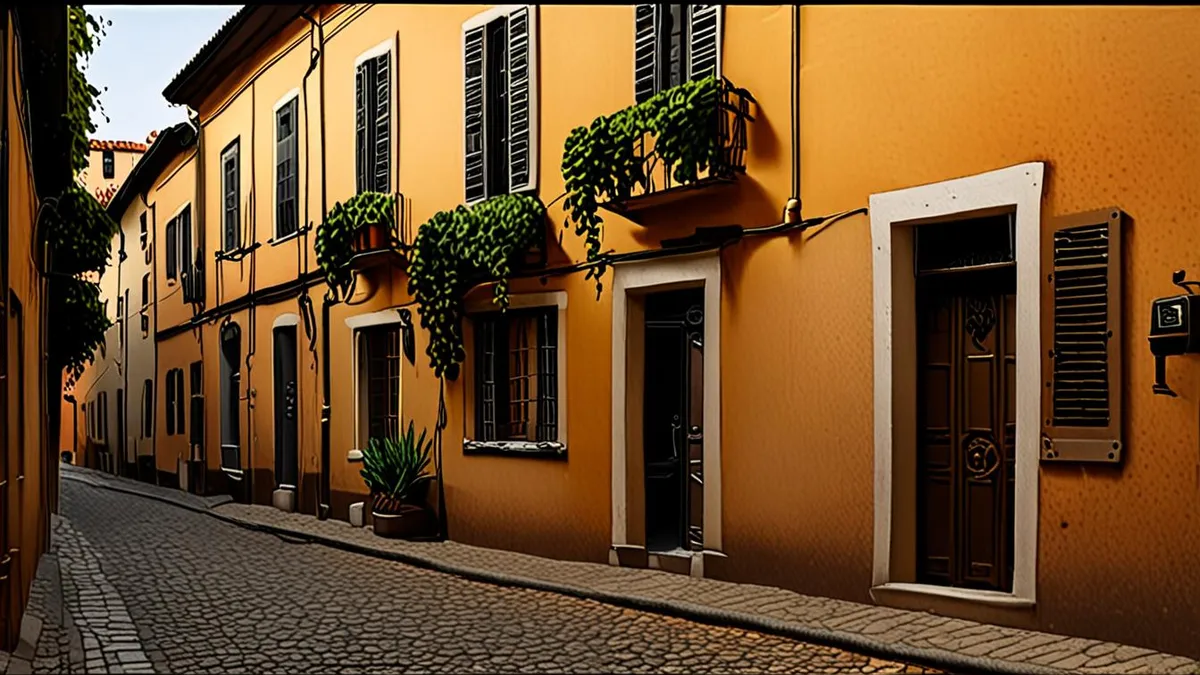
For many repeat visitors, Rome’s best hotel value lies just outside the historic core. Monti sits just above the Forum and mixes bohemian boutiques, vintage shops and small cafes with a location that puts the Colosseum only a 10-minute walk away. Trastevere lies across the Tiber, about 20 minutes on foot from Campo de’ Fiori, and is the city’s undisputed heart for trattorias and nightlife. Both neighborhoods attract travelers who have already ticked off the big monuments and now want to experience Rome the way locals do.
Both areas offer noticeably better value than Centro Storico, with rooms often priced well below the premium districts in high season. You trade some postcard setting for a more local, lived-in atmosphere, and many travelers find that trade worth making. Cafes, wine bars and small family-run hotels give these streets a character that the grander quarters can lack.
- Monti’s morning advantage: with the Colosseum so close, you can reach it early in the day before the biggest crowds, then retreat to quieter side streets for coffee.
- Trastevere’s evening pull: dinner options cluster densely here, so you can wander from trattoria to gelateria to a piazza bar without planning an itinerary.
- Transport reality check: both areas are reasonably walkable to the center, but cobblestones are hard on rolling luggage, so pack accordingly or plan a taxi for arrival day.
- Room choice matters: on busy bar streets, apartments and rooms facing inner courtyards are noticeably quieter than street-facing ones.
The main trade-offs are cobbled, hilly streets that challenge both suitcases and calves, and noise from bars that can run late into the night, especially in Trastevere. Monti tends to calm down earlier, which suits light sleepers better. Choose your exact street as carefully as your hotel, and both neighborhoods reward you handsomely with a stay that feels authentically Roman rather than staged for tourists.
Vatican and Prati: Quiet Comfort Near St. Peter’s
Prati sits just north of the Vatican, an elegant residential district laid out with wide, orderly avenues that feel strikingly different from the tangle of lanes across the river. Most hotels here put you a 15–20 minute walk from St. Peter’s Basilica, and the neighborhood stays genuinely local: office workers, families and café regulars rather than tour groups.
What you’ll pay and what you get
Mid-range value is Prati’s strongest selling point. Rooms typically run €130–€220 per night, which undercuts the Centro Storico while giving you a calmer base. Many hotels occupy converted apartment buildings on broad streets like the ones radiating from Piazza Cavour, so you get space, quiet evenings and easy access to good bakeries, delis and restaurants where locals actually eat.
The trade-off is location on the map. Prati is the far side of the river from the Colosseum and Forum, and the full walk across the center is about 4 km, roughly 50 minutes on foot. You can bridge the gap with the metro or a bus, but plan on commuting if Renaissance center sights top your list.
Choose Prati if your Rome priorities are the Vatican Museums, early entry to St. Peter’s and peaceful nights over being steps from the Pantheon. It’s the neighborhood for travelers who’d rather sleep well and take a short stroll to the basilica than pay a premium for postcard-side streets.
Termini and Esquilino: Budget Stays and Transport Links
If keeping costs down matters more than atmosphere, the area around Termini station deserves a look. Termini sits about 2 km east of the historic center, and the surrounding streets of Esquilino offer some of the cheapest beds in the city, often €80–€150 per night. That gap compared to the most central neighborhoods is real, and it adds up quickly over a multi-night stay.
The biggest practical advantage is transport. Metro lines A and B meet right at the station, so you can reach the Spanish Steps, the Colosseum, or the Vatican in a matter of stops. If you arrive in Rome by train, you can walk to your hotel with your luggage in minutes. The same logic applies if you plan day trips to Florence, Naples, or the coast, since every regional and high-speed train leaves from Termini.
The trade-offs to accept
Be honest with yourself about the setting. The streets around the station are functional rather than romantic, with fast-food outlets, luggage shops, and traffic instead of Baroque facades. Esquilino itself has some lovely corners and a multicultural food scene, but it will not give you the postcard experience out your front door.
You should also budget time for sightseeing. The major monuments are typically a 25–35 minute walk away, or a short metro ride. That is manageable, but it means planning your days a little more deliberately than you would if you slept in the Centro Storico. For budget travelers, backpackers, and anyone on a tight schedule with early trains, though, the math usually works out in Termini’s favor.
When to Book Your Hotel in Rome
When you book matters almost as much as where you book. Rome’s hotel prices swing sharply with the calendar, and the identical room in the identical hotel can carry a very different price tag from one week to the next. A traveler who understands this rhythm can pay noticeably less for exactly the same stay, simply by choosing dates with care. Use the seasons to your advantage with a simple process.
- Pin down your travel dates first. Everything else follows from this, because rates in the same neighborhood can vary enormously between, say, a week in February and a week in May. Once your dates are fixed, you can compare areas realistically instead of chasing numbers that do not apply to your trip.
- Recognize high season for what it is. April to June and September to October bring the best weather and the biggest crowds, and hotels price accordingly. Demand is strong across the entire center, not just the famous streets near the Pantheon or the Colosseum.
- Reserve 2–4 months ahead for high season stays. The best-value rooms in the most popular neighborhoods sell out early, and late bookers are left with either the priciest options or the least convenient locations.
- Consider low season for serious savings. From November to February, excluding Christmas and New Year, rates in the same neighborhoods often drop 30–50%. You trade some sunshine for quieter streets, shorter lines and easier restaurant reservations.
- Do not dismiss summer automatically. July and August bring heat and crowds, but they can also bring discounted rooms, since many locals leave the city and some hotels lower prices to fill beds.
Whatever dates you choose, set a rate alert or check prices a few times before committing. Rome rewards flexible travelers, and shifting your stay by even a few days can change both what you pay and how much of the city you actually get to enjoy.
Wrapping Up Your Rome Neighborhood Choice
Choosing a hotel in Rome comes down to matching the neighborhood to your priorities. Centro Storico works best for first-timers who want to wake up surrounded by the city’s most iconic piazzas and fountains, Monti and Trastevere suit food lovers, Prati suits travelers seeking quiet evenings, and Termini suits anyone watching their budget. Decide what matters most to you, check your travel dates, and book early if you are visiting during high season.
The good news is that there is no truly wrong answer. Rome’s compact center keeps the major sights within easy reach from any of these areas, so even a less central pick still puts you close to the Colosseum, the Pantheon and St. Peter’s. If this guide helped you plan your trip, leave a comment or share it with a fellow traveler.